Do You Need to Inform Customers When Selling Your Business?

The tightrope walk between secrecy and customer trust during a business sale
In the high-stakes world of mergers and acquisitions, one question looms large for business owners eyeing an exit: do you tell your customers you’re selling? The instinct to maintain open communication clashes head-on with the need for absolute confidentiality. Premature disclosure can spark customer flight, supplier jitters, or even competitive poaching, potentially tanking your deal value or killing it outright. Yet, mishandling the transition post-sale risks eroding the goodwill you’ve built over years.
From my experience advising sellers in competitive markets like Vietnam, the default rule is clear: silence until the deal closes. Buyers demand it to protect their investment from market reactions. But timing, messaging, and legal nuances matter immensely. Recent developments, such as Vietnam’s evolving business laws and personal data protection requirements under Decree 356, add layers of complexity when customer relationships involve sensitive information. A botched acquisition attempt, like the invalidated deal involving SeABank’s financial firm and Aeon Financial, underscores how regulatory hurdles can derail even advanced negotiations—imagine adding customer panic to the mix.
This isn’t just theory. Sellers who navigate this correctly preserve value and ensure a smooth handover. Those who don’t face valuation haircuts or outright deal collapse. Understanding when, how, and why to inform customers is a critical piece of your exit strategy, directly impacting your proceeds and legacy.
Table of Contents
- Why business owners need to understand customer notification before selling
- Customer notification from a seller’s perspective
- How buyers view this issue
- Common seller mistakes
- Practical checklist for business owners
- When should sellers start preparing
- How this connects to the overall business sale journey
Why business owners need to understand customer notification before selling
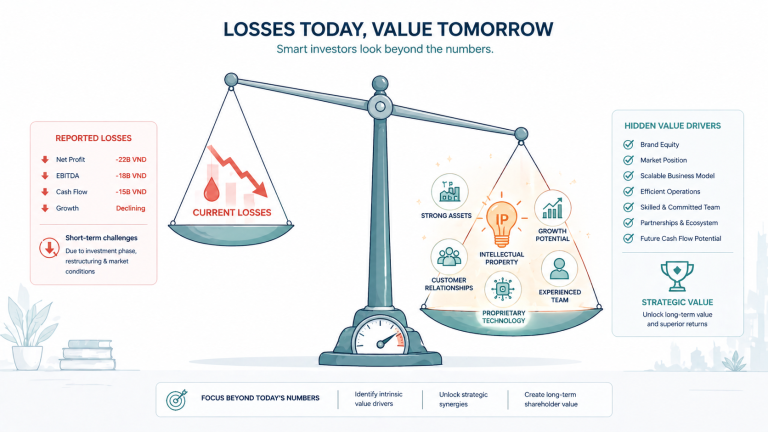
Business sales thrive on stability. Customers represent recurring revenue—the lifeblood that buyers scrutinize during due diligence. Announcing a sale too early signals uncertainty, prompting clients to seek alternatives. In Vietnam’s dynamic market, where investment climate statements highlight growing foreign interest, maintaining customer continuity is non-negotiable for maximizing multiples.
Consider the ripple effects: key clients might withhold renewals, fearing service disruptions. Suppliers could tighten terms, and talent might jump ship. Data from global tax guides for Vietnam operations shows how tax and capital contribution rules already complicate setups—layer on customer exodus, and your EBITDA takes a hit, directly lowering valuation.
Owners must grasp this because it ties to deal risk. Buyers model scenarios assuming 100% customer retention post-close. Any whiff of disclosure risks forcing concessions or walking away. Proactive understanding lets you structure notifications to protect value, ensuring the business transfers as a going concern.
Moreover, in regulated sectors like finance or data-heavy industries, laws such as Vietnam’s Decree 356 on personal data protection demand careful handling of customer info during transitions. Breaches here aren’t just reputational; they’re legal liabilities that can void deals, as seen in recent invalidations.
Customer notification from a seller’s perspective
For sellers, the priority is control. You’ve nurtured these relationships; why risk them on unconfirmed talks? The standard playbook: no notifications until signing, and even then, only with buyer approval. This preserves operational normalcy, keeping sales pipelines full and metrics strong.
Post-signing, a quiet period ensues until closing. Only then does joint communication roll out. From a seller’s view, this minimizes churn—studies in Asian business law updates emphasize stable operations amid regulatory shifts. In Vietnam, capital contribution guides stress fully funded setups; customer stability underpins that funding.
Your leverage lies in the customer list’s quality. High-retention clients boost appeal, but they’re fragile pre-close. Focus on demonstrating stickiness through contracts, NPS scores, and churn data in your data room. This builds buyer confidence without direct outreach.
Exceptions exist: if customers are integral to operations (e.g., custom software clients), limited disclosures under NDA might be needed. But always buyer-led. Sellers who rush announcements often see 10-20% revenue dips, per M&A benchmarks.
How buyers view this issue
Buyers see customer notification as a post-close hygiene factor, not a pre-deal discussion. Their focus: acquiring without disruption. Early leaks signal poor process control, raising red flags on your management.
In Vietnam’s context, with 2024 investment climate reports noting bureaucratic navigation, buyers prioritize seamless integration. They model worst-case customer loss at 5-15%, baking it into offers. Any seller-initiated contact amplifies this.
Strategic buyers (competitors) are especially wary—disclosure could tip rivals. Financial buyers want clean handovers to flip quickly. Both insist on reps and warranties covering customer retention. Recent SEC filings from global players like Yeti or Coca-Cola’s 10-Ks highlight rigorous due diligence on customer concentrations, mirroring Asia-Pacific scrutiny.
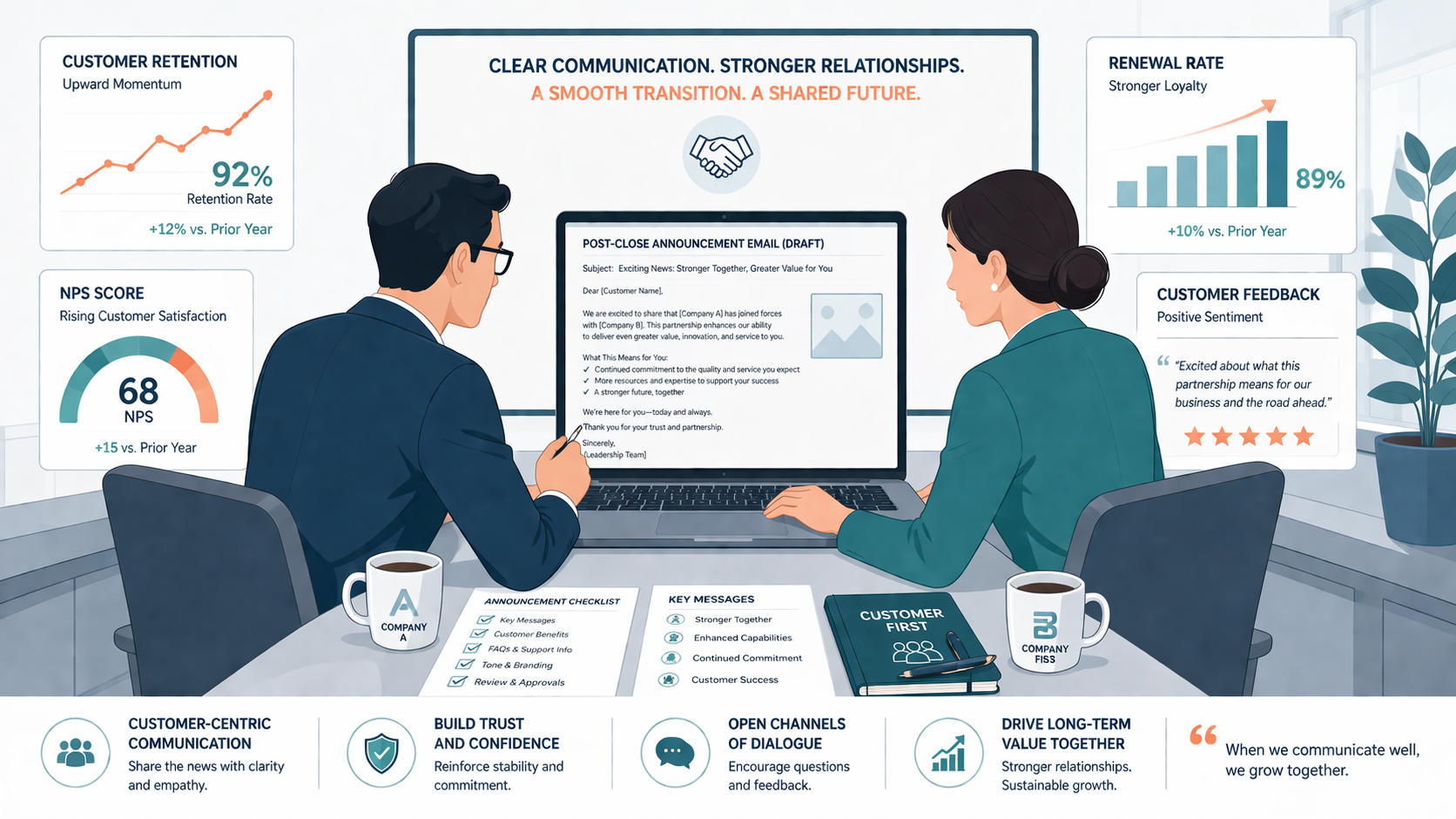
Buyers favor scripted, co-branded announcements post-close: “Excited to join forces under new ownership—same great service.” This reassures without alarming.
Common seller mistakes
Sellers falter by treating notifications like routine updates. Here’s what goes wrong:
- Premature emails or calls: A casual “heads up, we’re exploring options” triggers panic. Clients bolt to safer bets.
- No buyer alignment: Going rogue post-signing erodes trust, potentially breaching exclusivity.
- Vague messaging: “Changes ahead” fuels rumors. Specificity post-close is key.
- Ignoring contracts: Some client agreements require notice of ownership change—check early.
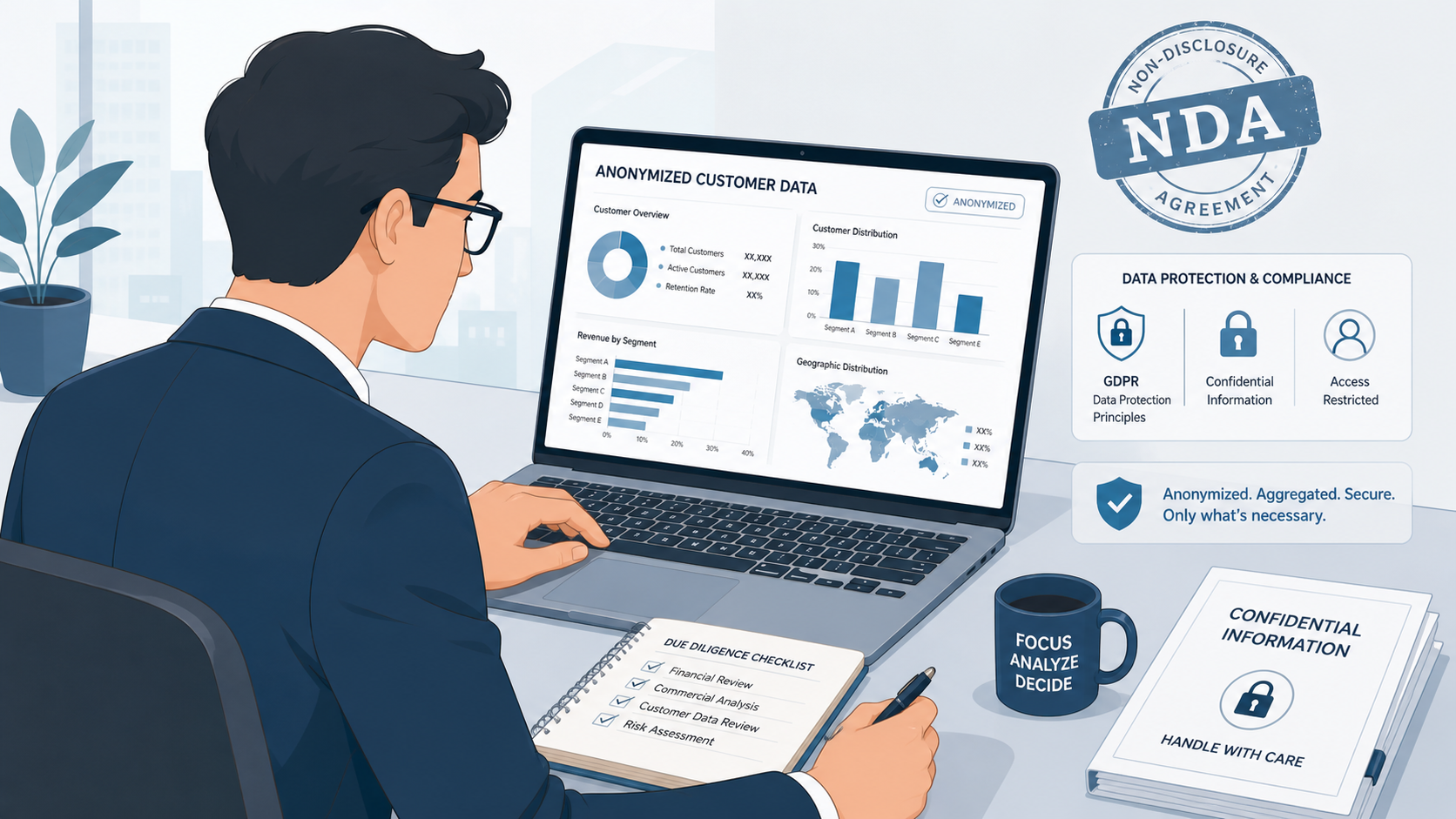
- Data mishandling: Sharing customer details pre-NDA violates protections like Decree 356, inviting fines.
Case in point: invalidated deals like Aeon Financial’s pullback from SeABank’s unit show how external factors torpedo progress; internal leaks compound this.
Another pitfall: assuming loyalty trumps change. In competitive markets, even loyal clients hedge bets.
Practical checklist or framework for business owners
Approach notifications systematically. Use this framework:
- Pre-LOI: Zero disclosure. Audit customer contracts for change-of-control clauses.
- Due diligence: Anonymize customer data in teasers. Use aggregates (e.g., “top 10 clients = 60% revenue”).
- Signing to close: Joint protocol with buyer. Prepare template announcement.
- Day 1 post-close: Email key clients first—personalized, positive tone. Follow with website update.
- Ongoing: Monitor churn quarterly. Offer incentives like discounts for renewals.
- Legal review: Ensure compliance with local laws, e.g., tax guides for Vietnam ops, data decrees.
Document everything. Track comms in your data room for warranty claims.
For deeper prep, download our seller checklist to align notifications with broader readiness.
When should sellers start preparing
Begin 6-12 months pre-market. Map customer tiers: top 20% by revenue get VIP treatment. Stress-test retention via surveys (framed neutrally).
Align with overall exit timeline. If 9-month process, prep scripts by month 3. In Vietnam, factor regulatory timelines from latest business law updates.
Early prep includes buyer vetting—choose those valuing your customer base. Factors boosting exit success like strong relationships shine here.
How this connects to the overall business sale journey
Customer notification is one thread in the M&A tapestry. It links to valuation (retention drives multiples), due diligence (data room integrity), and integration (post-close value).
Neglect it, and upstream efforts crumble. Master it, and you command premium pricing. This fits seller readiness: from starting your M&A journey to handover.
Explore more at our M&A blog or book a confidential call for tailored advice.
Ready to safeguard your customer base? Download our seller readiness checklist.
Take the first step today. Start here – the journey for business sellers.