Legal Preparation Before M&A: Essential Steps for Sellers

Overlooked Legal Pitfalls That Can Sink Your Business Sale
As a business owner eyeing an exit, you’ve likely spent years building your company into a valuable asset. But just when you think the finish line is in sight, a single overlooked legal issue can halt negotiations, slash your valuation, or kill the deal entirely. Imagine handing over due diligence documents only to have buyers uncover unresolved contracts, hidden liabilities, or regulatory non-compliance. These aren’t rare horror stories—they’re common realities in M&A transactions.
Legal preparation isn’t a checkbox at the end of your sale process; it’s the foundation that determines whether your business is seen as a prize or a liability. In dynamic markets where M&A activity is accelerating, especially in regions like Southeast Asia where Vietnam is bucking global trends with robust deal flow, getting this right separates successful sellers from those left regretting rushed preparations. Buyers, armed with rigorous due diligence best practices, will scrutinize every clause, license, and dispute.
This guide cuts through the complexity, offering practical insights tailored for sellers like you. We’ll explore why legal readiness matters, how it looks from both sides of the table, pitfalls to dodge, and a step-by-step framework to fortify your position. By starting early, you protect your hard-earned equity and position your company as an irresistible acquisition target.
Table of Contents
- Why business owners need to understand legal preparation before selling
- Legal preparation from a seller’s perspective
- How investors view this issue
- Common seller mistakes
- Practical checklist for business owners
- When should sellers start preparing
- How this connects to the overall business sale journey
Why business owners need to understand legal preparation before selling
Legal preparation goes beyond paperwork—it’s about mitigating risks that directly impact your sale price and timeline. In M&A, buyers allocate significant resources to due diligence, often uncovering issues that lead to price renegotiations or walkaways. Without proactive legal housekeeping, you risk reputational damage that lingers beyond one deal.
Consider the financial stakes: unresolved legal matters can erode 10-30% of your valuation through indemnities, escrows, or warranties. In competitive landscapes, where corporate restructuring and M&A are opening new windows of opportunity, prepared sellers close faster and at higher multiples. For instance, clean legal structures signal operational maturity, appealing to strategic buyers seeking seamless integration.
Moreover, regional nuances amplify this need. Markets like Indonesia and Thailand demand scrutiny of merger control and competition laws, while Vietnam’s evolving policies to attract foreign investment reward compliant businesses. Understanding these upfront empowers you to negotiate from strength, avoiding surprises that force concessions.

Legal preparation from a seller’s perspective
From where you sit, legal preparation means transforming potential weaknesses into strengths. Start with your core documents: customer and supplier contracts. Ensure they are current, assignable, and free of onerous terms like auto-renewals or exclusivity clauses that could deter buyers. Intellectual property ownership is another cornerstone—verify registrations, licenses, and non-infringement to prevent post-sale disputes.
Compliance with local regulations forms the backbone. In Vietnam, for example, capital contribution requirements and banking guidelines shape how foreign investors assess setups. Review labor agreements, environmental permits, and tax filings for discrepancies. Litigation history, even minor claims, must be documented with resolutions or provisions for disclosure.
Corporate structure matters too. Simplify shareholding, eliminate dormant entities, and confirm governance aligns with buyer expectations. Data privacy under emerging laws adds another layer—audit customer data handling to demonstrate GDPR-like standards. This holistic approach not only surfaces issues early but also builds a narrative of diligence that reassures acquirers.
Practical tip: Engage external counsel early for an independent review. Their fresh eyes catch blind spots, like outdated bylaws or pending regulatory filings, saving you from last-minute scrambles.
How investors view this issue
Buyers approach legal due diligence with a forensic lens, prioritizing risks that could materialize post-closing. They seek confirmation of clean title to assets, enforceable contracts, and absence of contingent liabilities. Financial services M&A, for instance, intensifies scrutiny on regulatory approvals and compliance histories.
Strategic investors evaluate integration feasibility—do your legal setups allow quick consolidation? Private equity firms quantify risks via warranties and indemnities, often holding back portions of purchase price in escrow for legal uncertainties. In Thailand, merger control assessments are non-negotiable, flagging deals that might trigger reviews.
Global trends influence their mindset too. With crypto policies evolving and M&A reshaping landscapes, buyers favor sellers who’ve anticipated changes, like updated nationality laws impacting ownership in Vietnam. A well-prepared legal package accelerates their confidence, shortening timelines from months to weeks and minimizing adjustment clauses.
Ultimately, investors view legal readiness as a proxy for management quality. Flawless documentation signals foresight; gaps suggest deeper operational issues.
Common seller mistakes
Sellers often underestimate legal prep, leading to avoidable setbacks. One frequent error is ignoring contract reviews—verbal agreements or side letters surface late, complicating assignments. Another is skimping on IP audits, where unrecorded trademarks erode value.
Neglecting regulatory compliance is rampant, especially in cross-border deals. Foreign investors in Vietnam grapple with investment attraction policies if setups don’t align. Failing to address ongoing disputes, even small ones, invites buyer skepticism.
Overlooking employee matters, like non-competes or equity incentives, creates retention risks post-sale. Rushing data room population with disorganized files frustrates diligence teams, prolonging processes. And lastly, not involving legal experts early results in biased self-assessments that miss nuances.
These pitfalls compound: a single red flag can cascade into broader distrust. Check out our article on common mistakes first-time sellers make for more real-world examples.
Practical checklist or framework for business owners
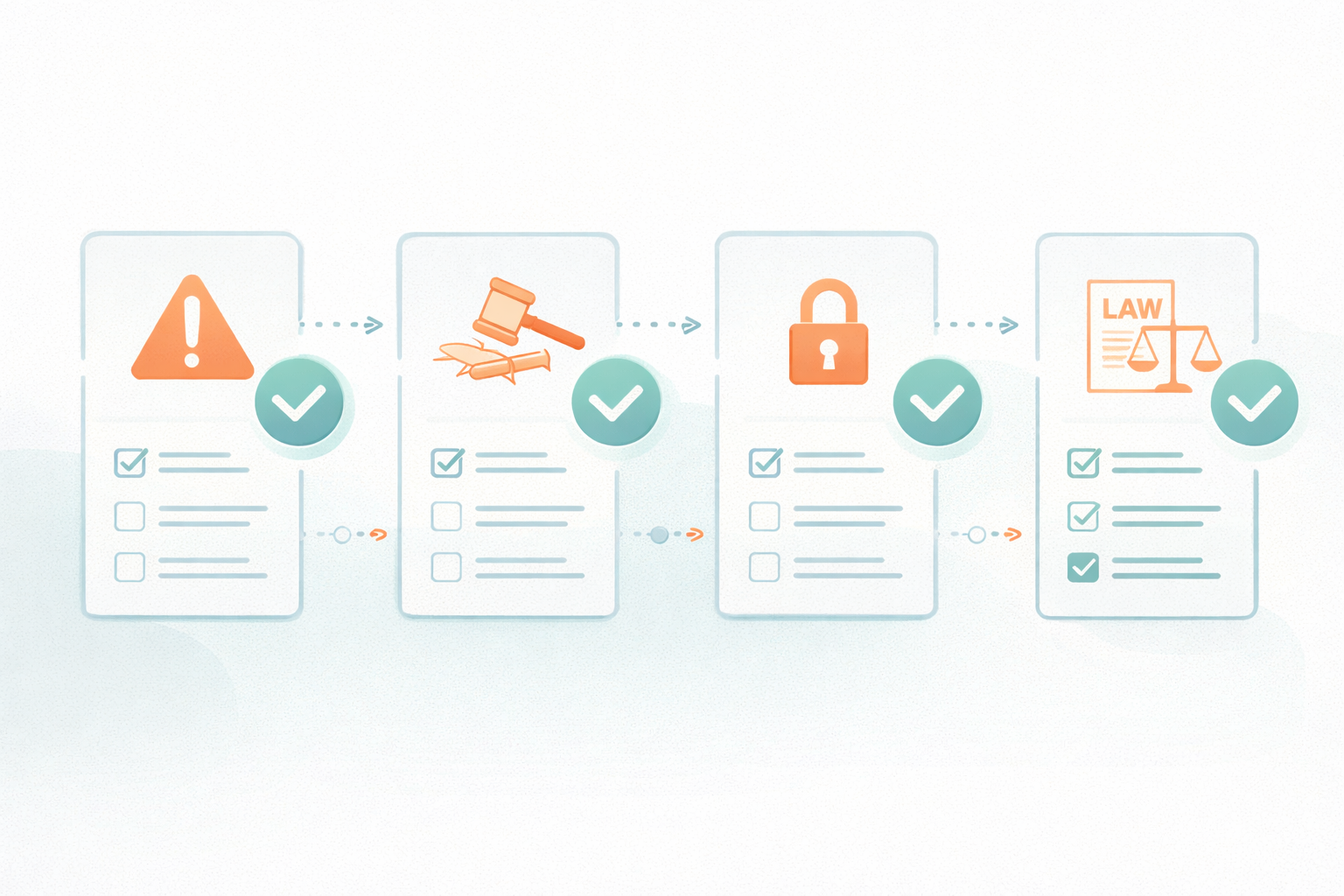
Here’s a structured framework to guide your legal preparation. Treat it as a phased approach: audit, remediate, document.
- Corporate Records Audit (Month 1-2): Gather incorporation docs, shareholder registers, board minutes. Confirm good standing and resolve any filing gaps.
- Contracts Review (Month 2-3): Catalog all material agreements. Flag change-of-control provisions, terminations, or disputes. Negotiate amendments where needed.
- IP and Assets Inventory (Month 3): List patents, trademarks, copyrights. Verify ownership chains and conduct freedom-to-operate searches.
- Compliance Scan (Month 3-4): Assess tax, labor, environmental, data privacy adherence. Address Vietnam-specific capital contributions or banking regs if applicable.
- Litigation and Liabilities (Month 4): Disclose all claims, provisions, and insurance coverage. Quantify exposures.
- Employee and Benefits Review (Month 4-5): Audit employment contracts, pensions, stock options. Ensure transferability.
- Data Room Setup (Month 5-6): Organize folders logically, watermark sensitive files, track access.
- External Validation (Ongoing): Legal opinion letters on key risks.
This checklist minimizes surprises. For a broader view, our 12-month preparation checklist integrates this seamlessly. Download our seller checklist to get started.
When should sellers start preparing
Ideal timing: 12-18 months before marketing your business. This allows remediation without pressure, aligning with market cycles. Early movers capitalize on trends like Vietnam’s resilient M&A scene or Indonesia’s activity.
If you’re closer to sale, prioritize high-impact areas like contracts and compliance. Link this to financial prep—clean legals enhance audited statements. See preparing financial statements before selling for synergy.
How this connects to the overall business sale journey
Legal preparation is one pillar of seller readiness, feeding into valuation, marketing, and negotiation. It underpins the entire M&A process, from teaser to closing. Understand the full flow via our business sale process guide.
Integrate with strategic decisions like M&A versus capital raises—legal health influences both. Explore more in our M&A blog.
Ready to assess your legal readiness? Download our seller checklist.
Take the first step toward a smooth exit. Start your M&A journey or book a confidential call with our advisors.