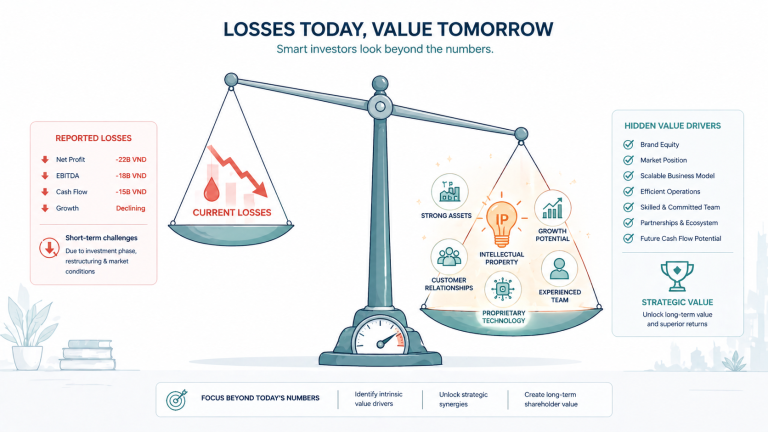
Risk Premium in Business Valuation: What Sellers Need to Know

The invisible force shaping your business’s sale price
In the high-stakes world of selling a business, every percentage point in your valuation can mean millions on the exit table. Yet one critical element often flies under the radar: the risk premium embedded in business valuation. This isn’t just accountant jargon—it’s the buffer investors demand to compensate for uncertainties in your company’s future cash flows. Whether you’re running a manufacturing operation exposed to tariffs or a tech firm navigating transfer pricing scrutiny, understanding risk premium empowers you to protect—and potentially boost—your sale proceeds.
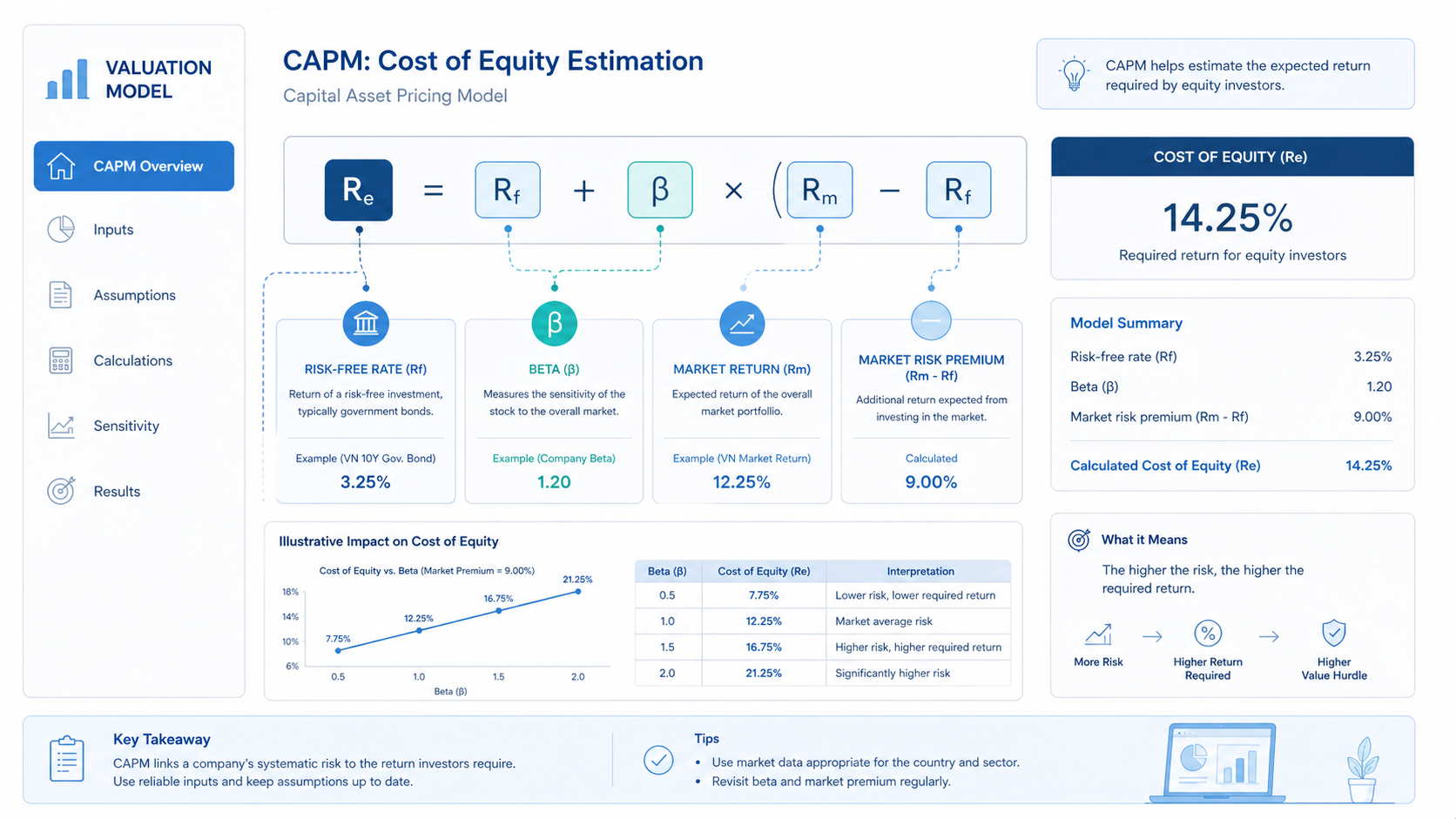
At its core, risk premium reflects the extra return buyers expect beyond a baseline risk-free rate to justify tying up capital in your venture. Models like the Capital Asset Pricing Model (CAPM) quantify this by adding a market risk premium scaled by your business’s beta to the risk-free rate. In today’s volatile landscape, factors such as impending tariff deadlines on Vietnam-sourced goods or regulatory shifts in broker capital requirements can inflate this premium, directly eroding multiples.
For sellers, ignoring it risks leaving value on the table. A higher risk premium hikes the discount rate in discounted cash flow analyses, slashing present values. Proactive owners who mitigate these risks—through diversified revenue, robust compliance, or transparent financials—can negotiate from strength. As global M&A trends point to selective dealmaking amid uncertainty, mastering this concept is non-negotiable for a smooth exit.
Table of Contents
- Why business owners need to understand risk premium in business valuation before selling
- Risk premium in business valuation from a seller’s perspective
- How investors view this issue
- Common seller mistakes
- Practical checklist or framework for business owners
- When should sellers start preparing
- How this connects to the overall business sale journey
Why business owners need to understand risk premium in business valuation before selling
Business owners eyeing an exit often fixate on revenue growth or EBITDA margins, but risk premium lurks as the silent saboteur of deal value. In essence, it’s the additional yield investors layer onto the risk-free rate to account for your company’s specific perils—be it market volatility, operational vulnerabilities, or geopolitical headwinds.
Consider the mechanics: Valuations hinge on projecting future cash flows and discounting them back to today. That discount rate? It’s built from a risk-free benchmark, like government bond yields, plus premiums for equity risk, size, industry specifics, and company-unique factors. CAPM formalizes the equity portion: risk-free rate plus beta times market risk premium. A Vietnam-based exporter facing tariff scrutiny might see its beta spike, demanding a steeper premium and compressing valuation multiples.
Why does this matter pre-sale? Misjudging risk premium leads to overoptimistic seller expectations, stalling negotiations. Recent market outlooks highlight a broad spectrum of outcomes, with tariffs tumbling Wall Street and prompting scrutiny on transshipments from Vietnam. Owners who grasp this can forecast buyer demands accurately, avoiding the shock of post-LOI adjustments. Moreover, in emerging markets touted for sustainable investments, unaddressed risks amplify premiums, deterring capital.
Ultimately, demystifying risk premium shifts you from reactive seller to strategic partner. It illuminates leverage points—like bolstering governance to shrink perceived risks—ensuring your business commands premium pricing rather than conceding discounts.
Risk premium in business valuation from a seller’s perspective
From the seller’s vantage, risk premium isn’t abstract—it’s the gap between your internal value view and what buyers will pay. You see a steady operation; they see exposure to Vietnam’s tariff deadlines or stock overvaluations flagged in analyses of local indices. This perceptual chasm demands bridging.
Take CAPM application: Your risk-free rate anchors the model, but does a true risk-free asset even exist amid global flux? Sellers must contextualize premiums against peers. A brokerage expanding into illiquid assets might benefit from stronger capital buffers under new circulars, lowering its premium. Conversely, firms in renewable energy pivots face high-stakes execution risks, inflating costs of capital.
In practice, sellers encounter this during due diligence. Buyers dissect transfer pricing in cases like upheld income methods, probing intercompany dealings for hidden risks. Vietnamese stocks appearing fundamentally overvalued signal market skepticism, embedding skepticism into premiums. Proactive sellers quantify these: Stress-test cash flows under tariff scenarios or model beta adjustments for country risk.
The seller’s edge lies in transparency. Documented mitigations—diversified supply chains, audited compliance—compress premiums. World Bank visions of Vietnam trading up underscore long-term promise, but short-term premiums hinge on your narrative. Frame risks as managed, and watch premiums deflate, elevating enterprise value.
How investors view this issue
Investors approach risk premium with surgical precision, layering it into every model. For them, it’s not optional—it’s the essence of return adequacy. In CAPM terms, they calibrate beta to your volatility relative to markets, multiplying by an equity risk premium often hovering above historical norms amid 2025 uncertainties.
Mid-year outlooks paint diverse scenarios, with tariffs evoking pandemic-level drops. Investors scrutinize Vietnam exposures: CROX stock watches tariff deadlines, while VNM ETFs grapple with overvaluation concerns. Country risk premiums, dissected in dedicated analyses, factor in policy shifts like Circular 102 fortifying brokerages.
Transfer pricing rulings reinforce income methods, signaling vigilance on profit allocation risks. Multinationals weigh these against sustainable opportunities in emerging markets. Insurance outlooks for 2026 echo caution, prioritizing resilient portfolios. Buyers thus demand premiums reflecting execution hurdles in Vietnam’s renewable pivot or transshipment compliance.
Global M&A trends forecast selective activity, favoring low-premium targets. Investors view unmitigated risks—founder dependency, legal gaps—as premium inflators, prompting walkaways or haircuts. Your preparation dictates their lens: Robust data signals low risk, aligning views for optimal pricing.

Common seller mistakes
Sellers frequently stumble on risk premium, inflating it unwittingly and tanking deals. First, underestimating beta: Treating your firm as market-neutral ignores sector volatilities, like tariff-impacted supply chains. Buyers recalibrate harshly, widening premiums.
Second, opaque financials: Skipping normalized statements invites scrutiny, echoing transfer pricing disputes where income methods prevail. Third, ignoring country overlays: Vietnam firms dismiss transshipment probes or stock overvaluation signals, embedding unpriced risks.
Fourth, short-termism: Chasing growth via risky assets without buffers, as brokerages did pre-Circular 102, backfires. Fifth, narrative failure: Failing to quantify mitigations leaves investors assuming worst-case premiums. These errors compound in due diligence, eroding trust and value.
Avoidance starts with realism. Stress premiums in your models, aligning with investor CAPM applications and risk-free realities. Recent pitfalls, from tariff shocks to M&A selectivity, underscore the cost of complacency.
Practical checklist or framework for business owners
To tame risk premium, follow this seller-focused framework:
- Quantify baseline: Establish risk-free rate, estimate beta via comparables, apply CAPM for cost of equity.
- Layer specifics: Add size, illiquidity, industry premiums; benchmark against Vietnam peers amid tariff risks.
- Stress-test: Model scenarios—tariffs, regulations—projecting cash flow impacts.
- Mitigate operationally: Diversify revenues, fortify compliance for transfer pricing, build capital buffers.
- Document rigorously: Prepare audited financials, as in preparing financial statements before selling.
- Narrate proactively: In teasers, highlight premium reducers like governance or sustainability alignments.
- Validate externally: Engage advisors for independent premium assessments.
This DCF-aligned approach minimizes adjustments, preserving value. For deeper prep, download our seller checklist.
When should sellers start preparing
Begin 12-18 months pre-market. Early risk premium calibration avoids rushed fixes. Align with 12-month preparation checklists, tackling financial cleanups first.
Monitor macro shifts—tariffs, outlooks—to adjust dynamically. Pre-emptive action compresses premiums before NDAs.
How this connects to the overall business sale journey
Risk premium threads through every M&A phase. In prep, it guides cleanups; teasers frame low-risk stories; diligence defends models. Post-close, residual premiums influence earnouts.
Integrate with holistic readiness: Data rooms, management depth, legal setups. Explore our M&A blog for more. To advance, start your M&A journey or book a confidential call.
Ready to safeguard your value? Download our seller readiness checklist.
Take the first step confidently. Begin the exit process today.