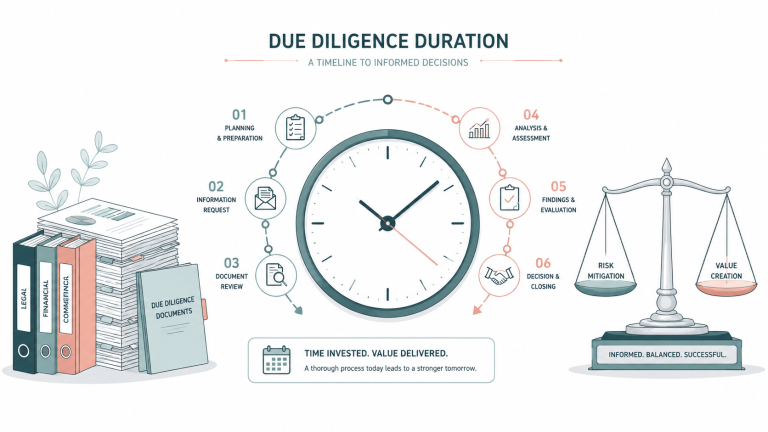
Unlocking hidden risks: Customer due diligence in your M&A journey
In the high-stakes world of mergers and acquisitions, customer due diligence often flies under the radar for sellers. Yet, it can make or break a deal. As buyers scrutinize your business, they don’t just look at financials or operations—they dive deep into your customer base to uncover risks like money laundering, regulatory non-compliance, or exposure to high-risk jurisdictions. Imagine a smooth negotiation grinding to a halt because a key client raises red flags under new anti-money laundering laws.
Vietnam is ramping up its regulatory landscape, with updates to its anti-money laundering framework requiring reporting on large cash transactions. At the same time, the country is opening crypto exchange licensing as a pilot goes live, heightening scrutiny on digital assets. Globally, the EU is overhauling its AML regime, demanding robust customer due diligence and onboarding processes. RegTech companies are stepping in to solve these compliance headaches, while places like Kenya face high-risk listings that amplify buyer caution.
For sellers, this means proactive preparation isn’t optional—it’s essential. Failing to address customer-related risks can lead to valuation discounts, prolonged timelines, or deal collapse. This guide breaks it down practically, helping you fortify your position before buyers even knock.
Table of Contents
- Why business owners need to understand customer due diligence before selling
- Customer due diligence from a seller’s perspective
- How investors view this issue
- Common seller mistakes
- Practical checklist for business owners
- When should sellers start preparing
- How this connects to the overall business sale journey

Why business owners need to understand customer due diligence before selling
Customer due diligence (CDD) is the process where buyers verify the legitimacy and risk profile of your customers. In M&A, it’s a critical subset of broader due diligence, focused on ensuring your revenue streams aren’t tainted by illicit activities. With Vietnam stepping up anti-money laundering vigilance amid rising digital assets, sellers must grasp this early.
Neglecting CDD can expose deals to regulatory scrutiny. For instance, Vietnam’s State Bank has issued guidance on the new Anti-Money Laundering Law, effective with implementation details from November 1, 2025. Buyers will probe your customer onboarding, transaction monitoring, and exposure to sectors like crypto, where a pilot licensing program is now live.
From an M&A standpoint, strong CDD signals a compliant, low-risk business. It protects against post-deal liabilities, where buyers inherit fines or reputational damage. Sellers who understand this can anticipate buyer requests, streamline processes, and maintain momentum. Without it, even a stellar EBITDA multiple risks erosion—buyers might demand warranties or escrow holds tied to customer risks.
Consider the ripple effects: A single high-risk customer can trigger enhanced due diligence, delaying closing by months. In international deals, EU AML/CFT regime changes demand readiness, with new supervisory bodies like AMLA transforming oversight. Business owners ignoring this forfeit leverage, turning a potential premium sale into a discounted fire sale.
Customer due diligence from a seller’s perspective
As a seller, CDD feels invasive, but it’s your opportunity to showcase transparency. Start by mapping your customer portfolio: Identify concentrations, geographies, and industries. High-risk flags include cash-heavy operations, politically exposed persons, or ties to sanctioned entities.
Vietnam’s updates emphasize reporting large cash transactions, so review your policies against this. For digital-savvy businesses, the crypto exchange pilot underscores vigilance on virtual assets. From your view, robust CDD documentation proves your compliance culture, reassuring buyers your customers are vetted.
Prepare evidence like KYC files, transaction histories, and risk assessments. This isn’t just paperwork—it’s proof your revenue is sustainable and clean. Sellers often overlook ongoing monitoring; buyers expect automated systems or RegTech integrations to flag anomalies.
In practice, segment customers: Low-risk (established corporates), medium (newer SMEs), high (crypto or cross-border). Quantify exposure—e.g., what percentage of revenue comes from high-risk? This data positions you as proactive, potentially unlocking better terms. Tie it to your data room preparation, where CDD folders become deal accelerators.
Ultimately, from the seller’s lens, CDD is about risk transfer. Demonstrate you’ve already mitigated issues, and buyers move faster.
How investors view this issue
Buyers approach CDD through a risk lens, prioritizing AML/CFT compliance. They assess if your customers align with global standards, like the EU’s AML overhaul requiring enhanced CDD and onboarding. Non-compliance? Expect price chips or walkaways.
In Vietnam, the new Anti-Money Laundering Law 2022 and SBV guidance heighten focus on cash reporting and digital assets. Investors scan for red flags: Unusual transaction patterns, high-risk jurisdictions (e.g., Kenya’s recent EU high-risk AML listing), or weak KYC.
Strategic buyers want clean slates for integration; financial buyers model worst-case scenarios, factoring in potential fines. RegTech solutions appeal here, automating compliance to scale scrutiny. They review your CDD framework holistically: Policies, training, audits.
Quantitative angles matter—revenue at risk, remediation costs. Qualitative? Your track record. Investors value businesses with third-party audits or tech-driven monitoring, viewing them as future-proof. Weak spots prompt indemnities, eroding your net proceeds.
Common seller mistakes
Sellers frequently stumble on CDD, starting with complacency. Many assume financial DD covers it, ignoring customer-specific probes. Mistake one: Incomplete records. Buyers demand full KYC trails; gaps invite suspicion.
Another pitfall: Ignoring high-risk segments. With Vietnam boosting vigilance on digital assets, overlooking crypto-linked customers spells trouble. Failing to update for laws like the 2022 AML update leaves you exposed.
Overlooking ongoing monitoring is common—static KYC isn’t enough; buyers expect dynamic screening. Poor segmentation leads to blanket reviews, bloating timelines. Not leveraging RegTech? It signals inefficiency.
Finally, reactive prep: Rushing CDD post-LOI triggers delays. Sellers also undervalue communication—hiding issues backfires. Learn from these to sidestep valuation hits; check our guide on documents investors request.
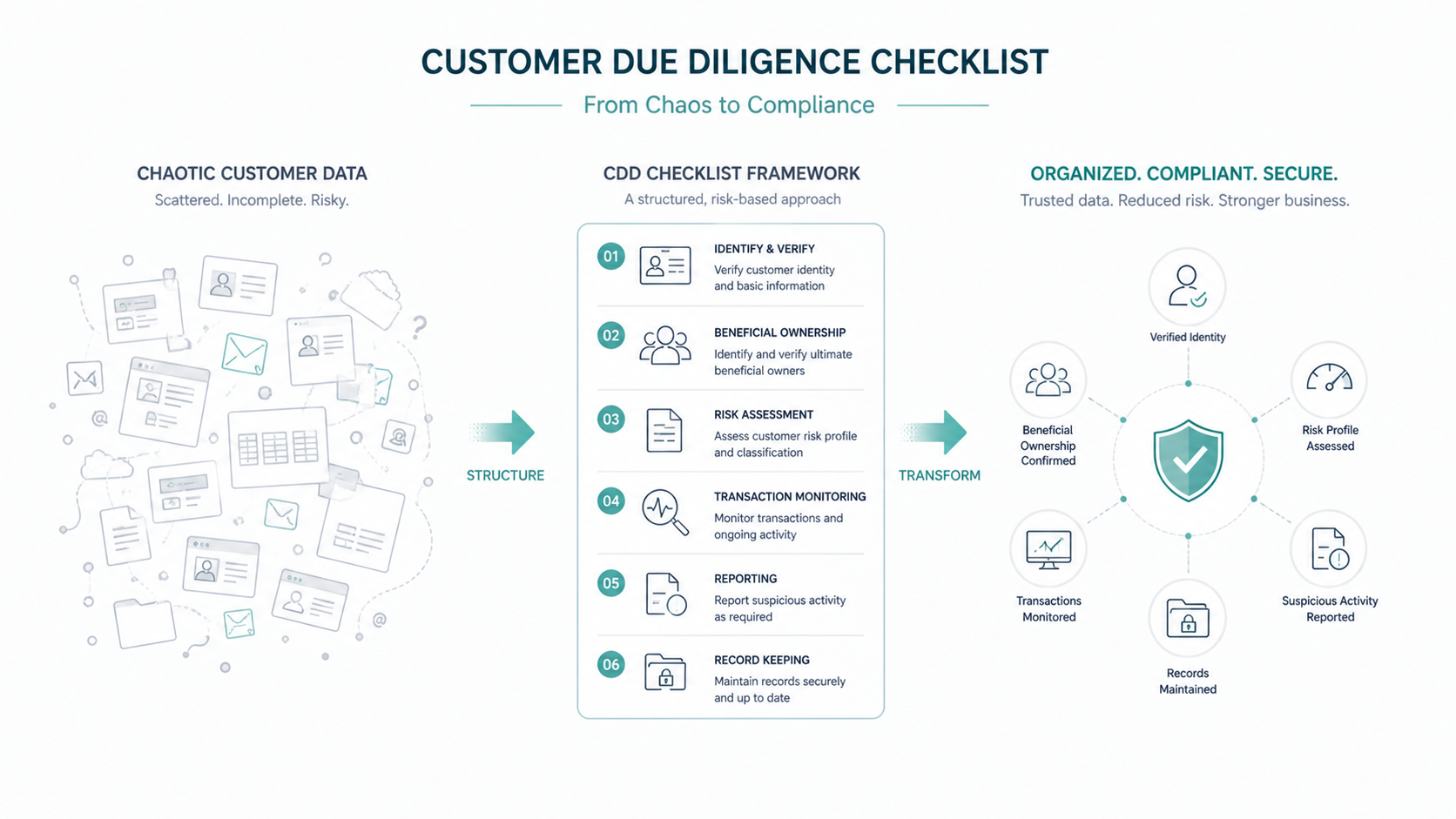
Practical checklist or framework for business owners
Here’s a step-by-step framework to master CDD prep:
- Assess your portfolio: Categorize customers by risk (low/medium/high) based on geography, industry, transaction volume.
- Review KYC files: Ensure all have ID verification, beneficial ownership, source of funds docs.
- Audit monitoring: Implement transaction screening against sanctions/PEP lists; document alerts and resolutions.
- Quantify risks: Calculate revenue exposure; prepare remediation plans for issues.
- Update policies: Align with Vietnam’s AML laws, including cash reporting and crypto vigilance.
- Tech enablement: Adopt RegTech for automation; demo to buyers.
- Third-party validation: Get external audits for credibility.
- Data room setup: Organize folders with summaries, avoiding raw data dumps.
This framework scales for any size business, turning CDD from hurdle to highlight.
When should sellers start preparing
Begin CDD prep 12-18 months pre-market. Early gap analysis prevents surprises. With Vietnam’s AML implementation guidance effective November 1, 2025, align now.
If crypto or digital assets factor in, accelerate—pilot licensing demands it. EU-facing deals? Prep for AMLR/AMLA changes immediately. Tie to milestones: Post-strategic review, build into seller readiness checklist.
Reactive sellers pay dearly; proactive ones close faster.
How this connects to the overall business sale journey
CDD weaves into every M&A phase. Pre-marketing: Self-audit. Teaser/IM: Highlight compliance strengths. DD: Deliver seamlessly. Negotiation: Use clean CDD for warranties.
It links to financials (revenue quality), ops (customer retention), legal (liabilities). Strong CDD boosts attractiveness, as in making your business attractive to buyers. Explore more at our M&A blog.
Ready to strengthen your position? Download our seller checklist.
Take the next step confidentially. Book a confidential call with our advisors.
Begin your exit process today. Start your M&A journey.