Financial Due Diligence Checklist for Business Sellers

Unlocking the financial truth: Why due diligence can make or break your business sale
As a business owner eyeing an exit, you’ve poured years into building your company. But when buyers start digging into your financials during due diligence, hidden issues can surface, slashing your valuation or killing the deal entirely. Financial due diligence isn’t just a formality—it’s the moment of truth where every revenue stream, expense line, and tax position gets dissected under a microscope.
Imagine this: A promising buyer walks away because your lease accounting doesn’t align with the new standards, or your intangible assets aren’t properly valued in purchase price allocation. With dealmakers growing bullish about M&A in 2025 and trends pointing toward a robust 2026 outlook globally, competition for quality targets is heating up. Sellers who haven’t stress-tested their books risk leaving millions on the table.
This guide arms you with a practical financial due diligence checklist tailored for sellers. We’ll break down why it matters, common pitfalls, and a step-by-step framework to prepare proactively. By understanding investor expectations—from BEPS Pillar II implications to recognizing intangibles—you position your business as a low-risk, high-reward opportunity.

Table of Contents
- Why business owners need to understand financial due diligence before selling
- Financial due diligence from a seller’s perspective
- How investors view this issue
- Common seller mistakes
- Practical checklist for business owners
- When should sellers start preparing
- How this connects to the overall business sale journey
Why business owners need to understand financial due diligence before selling
Financial due diligence goes beyond surface-level audits. Buyers scrutinize your historical financials, projections, and compliance to validate the purchase price and uncover risks. For sellers, ignoring this phase is like handing over the keys to your kingdom without checking the locks.
In a market where global M&A trends forecast steady growth through 2026, buyers are savvier. They probe for revenue quality, working capital adequacy, and off-balance-sheet liabilities. A single discrepancy—say, inconsistent revenue recognition—can trigger price adjustments or deal collapse.
Understanding this process empowers you to anticipate questions, fix issues early, and negotiate from strength. It’s not about perfection; it’s about transparency that builds trust. Sellers who master their financial narrative often close faster and at higher multiples. For instance, properly documented intangibles in purchase price allocation can justify premium valuations, turning potential weaknesses into assets.
Moreover, evolving regulations like new lease standards demand attention. Failing to align your books with these can lead to surprises during diligence, eroding buyer confidence. Proactive preparation isn’t optional—it’s your competitive edge in a bullish deal environment.
Financial due diligence from a seller’s perspective
From where you sit, financial due diligence feels invasive, but it’s your chance to showcase the strength of your operations. Start by compiling clean, audited financial statements for the past three to five years. Normalize earnings to reflect true performance—adjust for one-off expenses or owner perks that buyers will strip out anyway.
Key areas include revenue verification: Provide contracts, invoices, and customer data to prove recurrence. Examine cost of goods sold for anomalies and ensure inventory is accurately valued. Debt schedules must be current, with covenants tracked meticulously.
Tax diligence is critical. Buyers hunt for contingent liabilities from prior returns or transfer pricing issues. If operating internationally, consider BEPS Pillar II effects, which can alter effective tax rates post-acquisition and influence deal structures.
Working capital analysis is another focal point. Buyers model normalized levels to adjust the price at closing—underprepare here, and you’ll fund the shortfall. Intangibles like customer relationships or IP require robust valuation support under purchase price allocation rules.
As a seller, view this as storytelling: Your financials narrate a tale of sustainable growth. Use tools like a detailed EBITDA breakdown to highlight adjusted metrics that resonate with buyers.
How investors view this issue
Buyers approach financial due diligence with skepticism, aiming to confirm value and mitigate risks. Private equity firms stress-test cash flows using sensitivity analyses, while strategics focus on synergies and integration costs.
They prioritize quality of earnings: Is revenue sustainable, or inflated by channel stuffing? Capex forecasts get vetted against historical spend. Off-balance-sheet items, such as operating leases under new standards, must be recast onto the balance sheet.
Global players eye regional nuances—like accounting standards in emerging markets—but universally demand IFRS or GAAP compliance. BEPS Pillar II introduces top-up taxes that could hit post-deal profitability, prompting buyers to demand indemnities or escrow.
For intangibles, purchase price allocation is non-negotiable. Buyers allocate excess purchase price to amortizable assets, reducing taxable income—a seller win if documented well. In Asia or Africa, where M&A evolves with unique legal guides, financial rigor remains the universal language.
Dealmakers bullish on 2025 see diligence as a filter for resilient targets. Clean financials signal management quality, accelerating timelines and unlocking better terms.
Common seller mistakes
Sellers often stumble by underestimating diligence depth. One pitfall: Incomplete records. Missing back-up for accruals or intercompany transactions invites red flags.
Another: Over-optimistic normalizations. Claiming aggressive add-backs without evidence leads to disputes. For example, personal expenses must be substantiated, or buyers reject them outright.
Neglecting tax diligence is rampant. Unresolved audits or aggressive positions create liabilities that scare buyers. Similarly, ignoring lease recasts under new standards distorts EBITDA.
Poor working capital management surprises many—seasonal swings unaddressed result in hefty true-ups. Intangibles undervalued or undocumented miss allocation benefits.
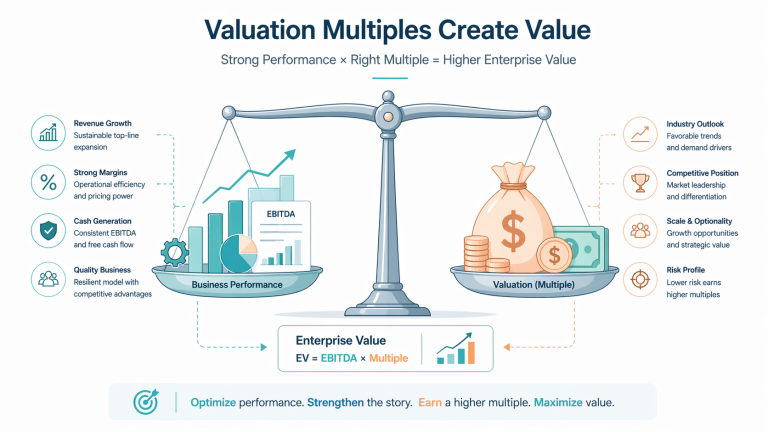
Finally, siloed preparation: Finance teams handle numbers, but ops input is vital for capex realism. Read about valuation multiples to see how diligence flaws tank them.
Practical checklist or framework for business owners
Here’s your actionable financial due diligence checklist. Tackle it in phases for efficiency.
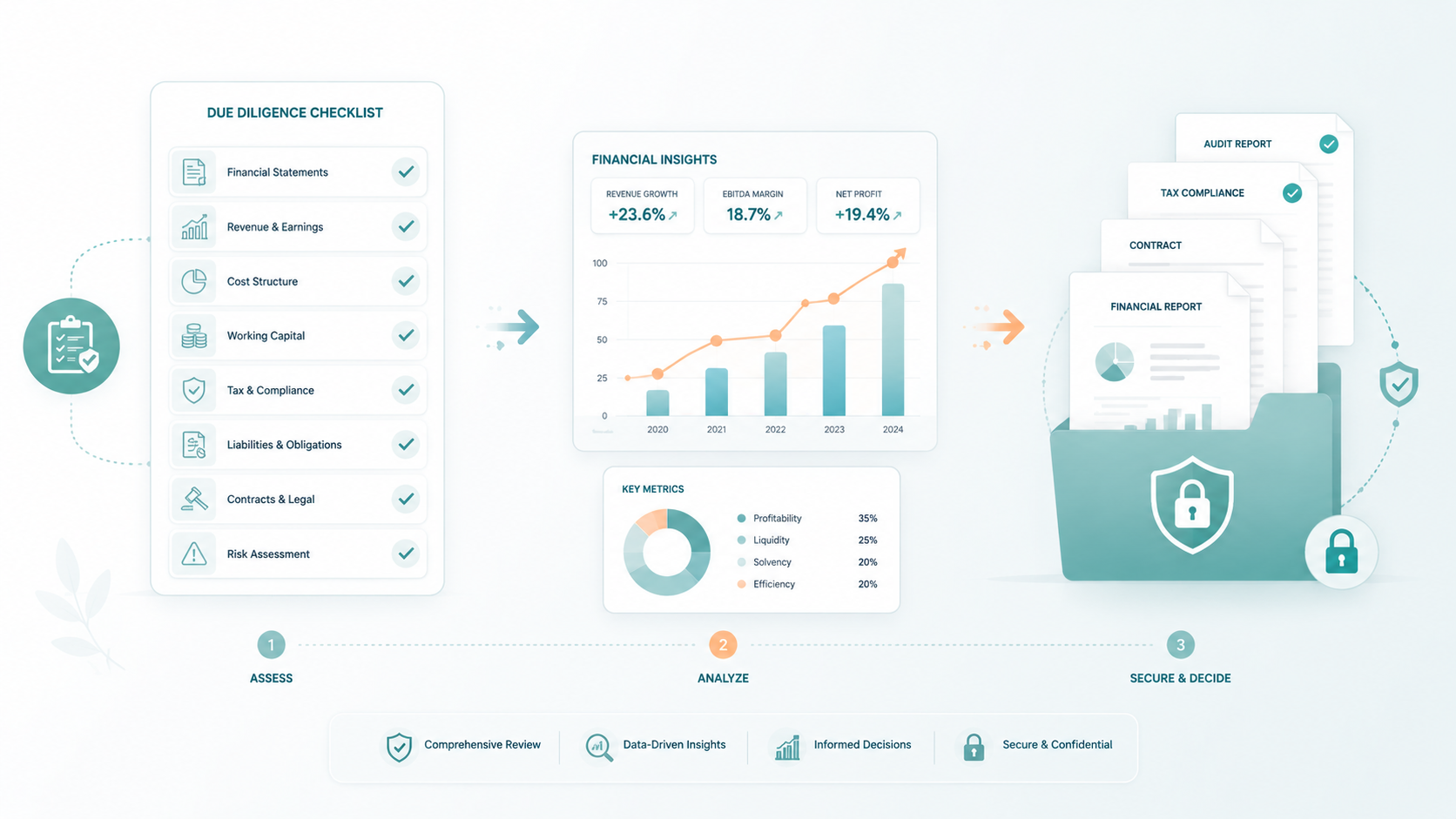
- Financial Statements Review: Gather 3-5 years of audited P&L, balance sheets, cash flows. Normalize for non-recurring items. Check M&A glossary terms like EBITDA.
- Revenue Deep Dive: Validate top customers (80/20 rule), contracts, backlog. Segment recurring vs. one-time.
- Expenses & Costs: Scrutinize COGS, SG&A. Recast leases per new standards.
- Working Capital: Calculate historical averages, normalize targets. Model pegs.
- Debt & Liabilities: List all obligations, covenants, contingencies.
- Tax Compliance: Review returns, provisions. Assess BEPS Pillar II exposure.
- Intangibles & PPA: Identify IP, customer lists. Get preliminary valuations.
- Forecasts: Build 3-5 year projections with assumptions documented.
- Capex & Projections: Detail maintenance vs. growth spend.
- Data Room Setup: Organize virtually with index. Mock diligence run-through.
Assign owners, set deadlines. Engage advisors early for objectivity.
When should sellers start preparing
Begin 6-12 months pre-market. Early fixes compound value—tax restructuring or system upgrades take time.
If deal momentum builds, accelerate to 3 months out. But rushing invites oversights. Align with seller readiness checklist for holistic prep.
How this connects to the overall business sale journey
Financial due diligence slots into the sell-side process after teaser and NDA, pre-LOI. It informs CIM content and buyer lists.
Post-LOI, it drives exclusivity. Clean diligence shortens to binding offer. Ties to valuation—flawless financials support robust multiples.
Integrate with commercial, legal DD for seamless execution. Visit our M&A blog for more.
Ready to get started? Download our seller checklist or start your M&A journey.
Need personalized advice? Book a confidential call with our team.