Navigating brand legacy in the hands of new owners
As a business owner contemplating a sale, one nagging question often lingers: what happens to the brand you’ve poured your heart into building? That logo, the customer loyalty, the reputation shaped over years of grit and innovation—does it vanish with the ink on the sale agreement, or does it endure under new stewardship? In mergers and acquisitions, brands are more than assets; they’re the emotional core of your enterprise. Yet, misconceptions abound. Many sellers assume a full handover means complete loss of control, leading to anxiety over diluted legacies or misuse.
Reality is nuanced. Brands typically transfer with the business, but terms in the deal can protect your vision. Consider cases where endorsers face bans from promoting specific products, highlighting how fiercely brands guard their identity. Or acquisitions in hospitality where the acquired entity’s name persists, signaling continuity. Understanding this dynamic isn’t just academic—it’s crucial for maximizing value and peace of mind. Sellers who clarify brand clauses early avoid post-sale disputes and ensure their creation thrives. This guide unpacks the mechanics, pitfalls, and strategies, drawing from real-world transactions across Asia and beyond.
Whether you’re in consumer goods, tech, or services, grasping brand fate empowers informed decisions. Let’s demystify it step by step.

Table of Contents
- Why business owners need to understand brand transitions before selling
- Brand ownership from a seller’s perspective
- How investors view this issue
- Common seller mistakes
- Practical checklist or framework for business owners
- When should sellers start preparing?
- How this connects to the overall business sale journey
Why business owners need to understand brand transitions before selling
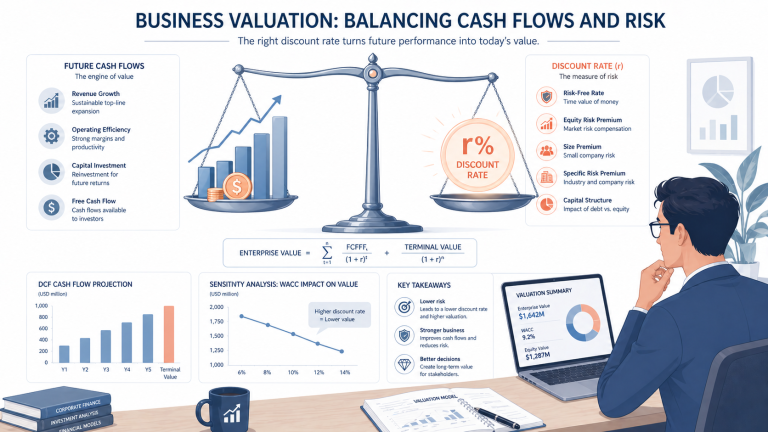
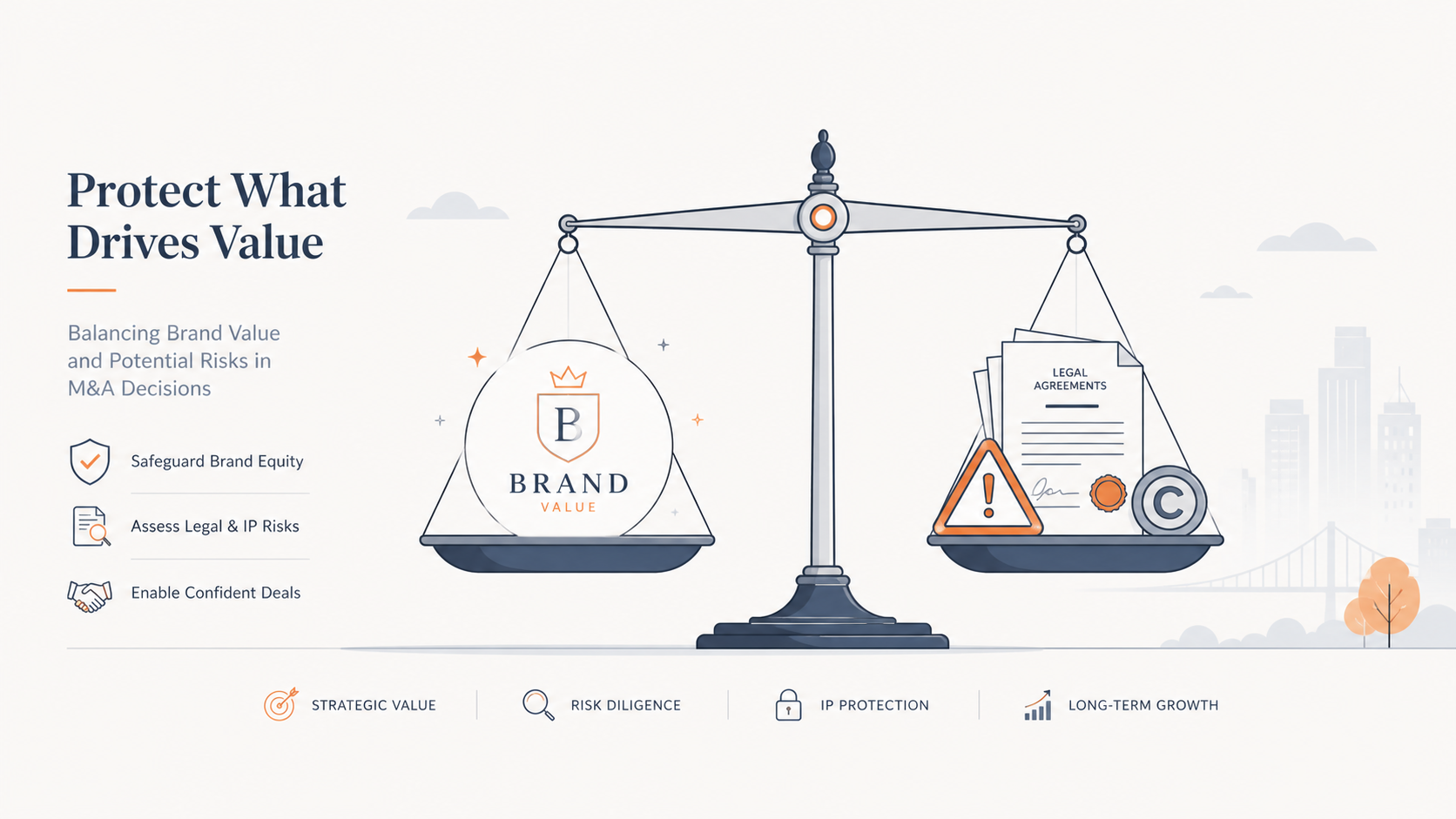
Brand transitions are pivotal in M&A because they directly impact deal value and post-sale harmony. Your brand isn’t static—it’s a living asset that embodies customer trust, market position, and revenue streams. When selling, ignorance of transition mechanics can erode up to 20-30% of perceived value if buyers perceive risks like reputational damage or legal entanglements.
Take trademark enforcement: in markets like Vietnam, Indonesia, India, and Taiwan, varying laws dictate how brands are protected post-sale. A mismatch can lead to infringement claims, as seen when a prominent figure was barred from advertising specific ice cream brands, underscoring the sanctity of brand associations. Without foresight, sellers risk deals collapsing or receiving lower offers to account for ‘brand risk premiums.’
Moreover, emotional attachment amplifies stakes. Founders often view brands as extensions of themselves, yet buyers acquire them to leverage equity. Understanding this prepares you to negotiate protections like earn-outs tied to brand performance or non-compete clauses that preserve your influence indirectly. Proactive knowledge turns a vulnerability into a negotiating strength, ensuring your legacy aligns with commercial realities.
In high-growth sectors, brands drive premiums. Financial reports from giants like Estée Lauder or Jollibee highlight sustained growth post-acquisitions, where brand integrity fueled metrics. Sellers who demystify this early safeguard against value leakage.
Brand ownership from a seller’s perspective
From the seller’s vantage, brand handover feels personal. Legally, trademarks, domain names, and IP portfolios transfer unless explicitly carved out. But ownership nuances abound: you might retain licensing rights for personal ventures or veto power over major rebrands via shareholder agreements.
In practice, most deals see full brand transfer. For instance, when Fusion Hotel Group was acquired by a capital partner’s founder, the brand continued seamlessly, suggesting standard continuity. Similarly, food chains like Jollibee report accelerating growth, implying brand strength persists under new ownership.
Yet, control diminishes. New owners dictate marketing, partnerships, and evolution. Sellers must assess if this aligns with their vision. Tools like IP audits reveal transferable elements—trade secrets might stay with you, while registered marks go to buyers. In Asia, comparative trademark regimes influence this: Vietnam’s framework, akin to neighbors, emphasizes first-to-file, so pre-sale registration fortifies your position.
Emotionally, prepare for detachment. Many founders license back their name for a transition period, easing the shift. This perspective empowers you to extract value—strong brands command higher multiples, as seen in delivery platforms contemplating asset sales of crown jewels.
How investors view this issue
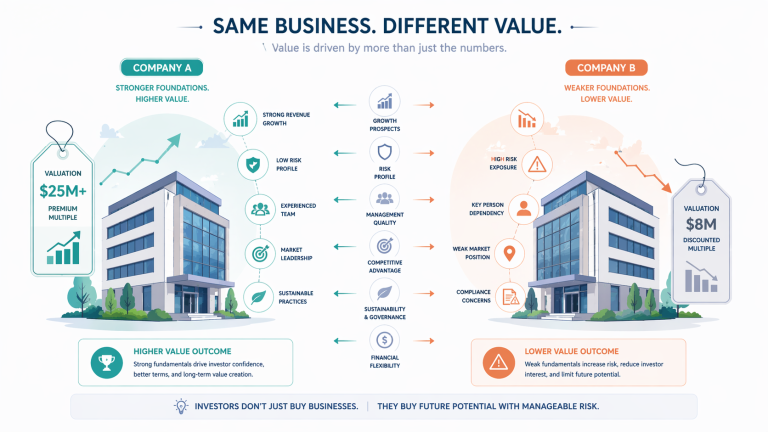
Buyers scrutinize brands as high-value intangibles, often 40-70% of enterprise worth in mature firms. They seek clean title, no pending litigations, and scalability. A tainted brand, like one facing advertising bans over endorsements, signals red flags, prompting discounts or walkaways.
Private equity and strategics prioritize synergy. In China’s deal landscape, 2024 highlights underscore brands fueling cross-border plays. Investors model post-acquisition brand lift—strong ones justify premiums, weak ones demand fixes. They view sellers’ emotional ties warily, preferring full control to avoid interference.
Due diligence probes deeply: customer NPS, brand equity scores, litigation history. ASEAN auto rivalries, like national cars versus giants, illustrate brand resilience under pressure. Buyers also eye protection—robust trademarks in jurisdictions like Vietnam enhance appeal. Ultimately, they bet on brand monetization, so sellers aligning with this view close faster.
Common seller mistakes
Sellers often falter by underestimating brand clauses. First, neglecting IP audits leads to surprises—unregistered marks weaken leverage. Second, assuming perpetual control post-sale; most agreements sever ties cleanly.
Third, ignoring buyer intent. A strategic buyer might evolve your brand aggressively, clashing with your stasis preference. Fourth, poor documentation: hazy ownership invites disputes, as in celebrity endorsement bans.
Fifth, overlooking tax implications—brand sales trigger capital gains. Sixth, emotional overrides: resisting rebrands tanks negotiations. Avoid these by benchmarking against successes like hotel group acquisitions, where smooth handovers prevailed. Reference our guide on making your business attractive to buyers for deeper insights.
Practical checklist or framework for business owners
Here’s a step-by-step framework to manage brand transitions:
- Conduct IP inventory: List all trademarks, domains, copyrights. Register gaps pre-sale.
- Audit brand health: Measure equity via surveys, financial attribution.
- Model scenarios: Project under buyer ownership—synergies or dilutions?
- Negotiate protections: Seek approval rights, licensing, non-disparagement.
- Plan data room: Include IP docs, as in our essential seller guide.
- Tax and legal review: Consult on transfers, especially in multi-jurisdiction deals.
- Transition support: Offer knowledge transfer for brand continuity.
- Post-sale monitoring: Via reps/warranties if negotiated.
This framework, rooted in Asian M&A realities like trademark variances, minimizes risks.
When should sellers start preparing?
Begin 12-18 months pre-market. Early IP fortification prevents rushes. Align with overall readiness—check our seller readiness checklist.
For mature firms, sync with financials; startups post-PMF. Triggers: buyer interest, founder fatigue. In dynamic markets like ASEAN, where EV brands clash, timing protects value.
How this connects to the overall business sale journey
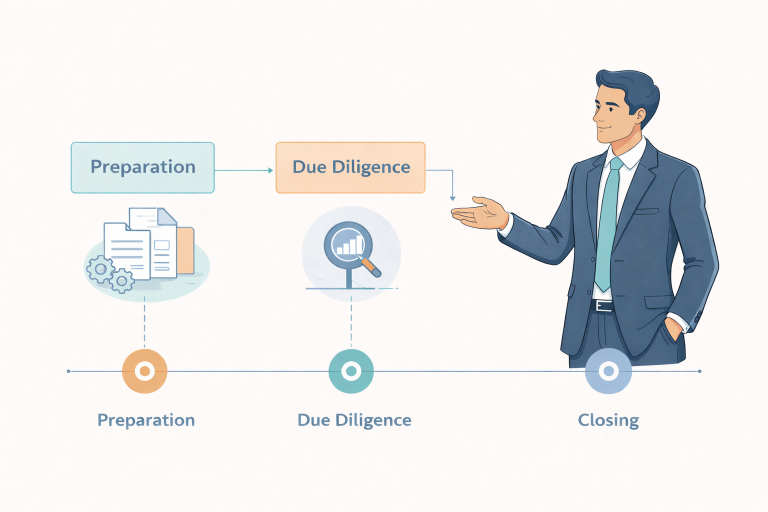
Brand management threads through M&A: from teaser (highlight equity) to diligence (IP scrutiny), closing (transfer docs), integration (your input matters). It ties to valuation—strong brands boost multiples, per our valuation multiples guide.
Post-sale, monitor via escrows. This holistic view, visit our M&A blog for more. To elevate your process, start your M&A journey or book a confidential call.
Ready to safeguard your brand legacy? Download our seller checklist.
Begin with confidence. Start here – The journey for business sellers.