Uncovering Financial Gaps That Could Derail Your Business Sale
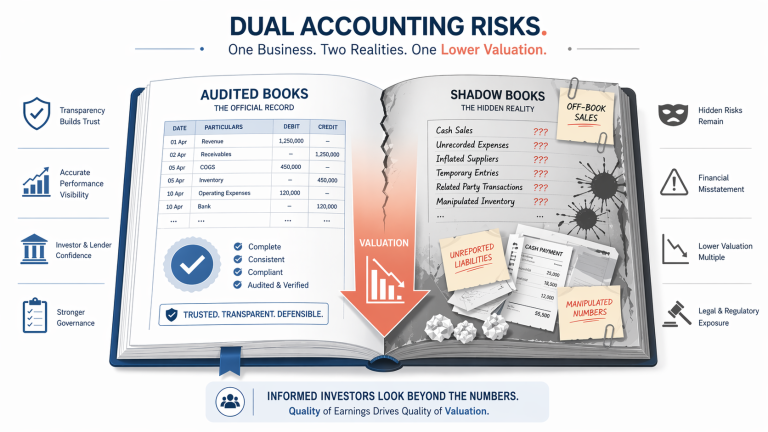
As a business owner eyeing an exit, you’ve poured years into building your company. But in the final stretch before a sale, one overlooked detail can unravel everything: your financial records. Buyers demand transparency, and regulators are tightening the screws. Imagine discovering a compliance issue mid-negotiation that slashes your valuation or kills the deal outright. This isn’t hypothetical—it’s happening now as Vietnam’s business landscape evolves with new audit mandates and tax reforms on the horizon.
Financial audits aren’t just bureaucratic hurdles; they’re your shield against surprises. They reveal hidden liabilities, ensure tax compliance, and signal to buyers that your house is in order. Skipping this step often leads to prolonged due diligence, eroded trust, and lower offers. In a market heating up with reforms taking effect, getting ahead of audit requirements positions you as a premium seller. Whether you’re a foreign-owned enterprise facing 2026 compliance deadlines or navigating VAT changes, proactive auditing builds credibility and maximizes value.
This guide breaks it down practically: why audits matter for sellers, buyer perspectives, pitfalls to avoid, and a step-by-step framework to prepare. By the end, you’ll know if—and when—you need an audit before selling.
Table of Contents
- Why business owners need to understand audits before selling
- Audits from a seller’s perspective
- How investors view this issue
- Common seller mistakes
- Practical checklist for business owners
- When should sellers start preparing
- How this connects to the overall business sale journey

Why business owners need to understand audits before selling
Understanding audits isn’t optional for sellers—it’s foundational. In M&A, buyers scrutinize your financials to validate earnings, uncover risks, and confirm sustainability. Without a recent, clean audit, they assume the worst: inflated profits, unreported liabilities, or non-compliance.
Consider the current environment. Reforms are sparking a fresh M&A cycle, making timing critical. Yet, alongside opportunities come heightened scrutiny. For instance, foreign-owned enterprises must prepare for Vietnam audit compliance updates in 2026, which demand stricter reporting. New VAT laws effective 2026 introduce expanded eligibility for refunds but tighter rules, while amendments target tax and transfer pricing compliance. Special consumption tax changes loom, adding layers of fiscal complexity.
Why does this matter to you? An audit quantifies your business’s health objectively. It flags issues like transfer pricing risks—highlighted in cases like Coca-Cola’s ongoing tax lawsuit—before they become deal-breakers. Banks facing non-performing loan ratios at 3% must offload bad debts, signaling broader financial hygiene expectations rippling into private sales. Proactive sellers use audits to demonstrate resilience, especially in sectors like beauty and personal care or e-commerce, where legal representation and compliance are non-negotiable.
Ultimately, audits bridge trust gaps. They turn subjective claims into verified facts, reducing due diligence timelines and boosting buyer confidence. Ignore them, and you risk a fire-sale price or no sale at all.
Audits from a seller’s perspective
From where you sit, audits feel like an added cost and hassle. But view them as an investment in a smoother exit. A pre-sale audit cleans up discrepancies in your books, aligns with customer priorities like financial security and wellness, and pre-empts buyer demands.
For Vietnamese businesses, this means addressing sector-specific realities. E-commerce platforms now require local legal representation, underscoring the need for audited compliance records. In competitive areas like beauty and personal care, strategic entry demands flawless financials to attract investors.
Sellers often benefit from audits revealing untapped value. They might highlight eligible VAT refunds under expanded rules or optimize transfer pricing to withstand scrutiny. The process also forces a reality check: Are your revenues recurring? Are expenses normalized? This perspective shift—from defensive chore to strategic tool—empowers you to negotiate from strength.
In practice, audited financials shorten sales cycles. Buyers move faster when risks are mitigated upfront, preserving your leverage.
How investors view this issue
Buyers—strategic acquirers, private equity, or family offices—see audits as non-negotiable due diligence. They view unaudited books as red flags, inflating perceived risk and discounting multiples.
Investors prioritize clean audits amid divestiture waves and M&A upticks. They dissect reports for transfer pricing adherence, VAT compliance, and audit readiness, especially with 2026 mandates for FOEs. A Coca-Cola-like tax dispute signals what happens without it: prolonged battles eroding value.
In their lens, audits validate projections. They confirm EBITDA isn’t manipulated, NPLs are managed, and special consumption taxes are handled. Buyers in Vietnam’s evolving market favor audited targets for quick integration, avoiding post-deal surprises.
Strong audits correlate with higher valuations. Investors pay premiums for transparency, viewing it as a proxy for management quality.
Common seller mistakes
Sellers trip up on audits in predictable ways. First, delaying until a letter of intent, forcing rushed fixes that expose weaknesses.
Second, relying on internal bookkeeping without third-party validation. This misses nuances like VAT refund eligibility or transfer pricing gaps, inviting disputes.
Third, ignoring sector mandates. E-commerce sellers overlook legal representation proofs; FOEs underestimate 2026 audit shifts.
Fourth, underestimating costs. Partial audits leave blind spots, like bad debt provisioning or special tax prep.
Fifth, not normalizing financials. Investors spot one-off adjustments, questioning sustainability.
Avoid these by integrating audits early. They prevent valuation haircuts and deal fatigue.
Practical checklist or framework for business owners
Here’s a actionable framework to audit-ready your business:
- Assess current state: Review last two years’ financials for gaps in VAT, transfer pricing, and compliance.
- Engage auditors early: Select firms versed in Vietnam’s 2026 rules for FOEs and new VAT laws.
- Normalize statements: Adjust for non-recurring items; document everything.
- Handle liabilities: Provision bad debts; verify tax positions against reforms.
- Sector check: Confirm e-commerce legal reps or beauty sector filings.
- Mock due diligence: Simulate buyer scrutiny on audited books.
- Update data room: For more on this, see our guide on preparing a data room for M&A.
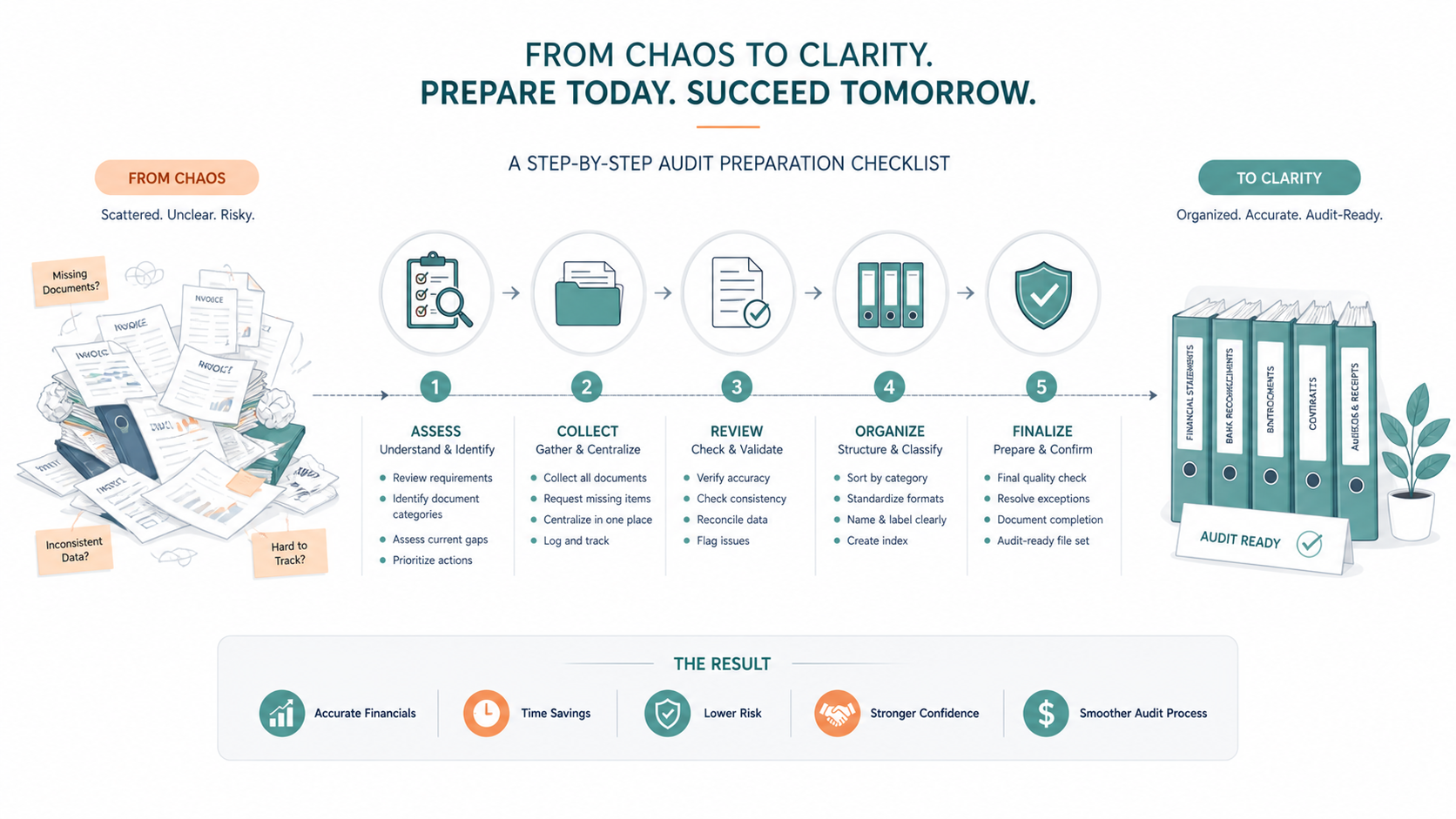
This checklist, started 12-18 months out, minimizes disruptions. Track progress quarterly.
When should sellers start preparing
Begin audit prep 12-24 months before marketing your business. This aligns with M&A cycles fueled by reforms.
If facing 2026 deadlines—like FOEs or VAT changes—start now. Tax lawsuit risks demand immediate transfer pricing reviews.
For stable firms, annual audits suffice; high-growth ones need semi-annual. Trigger points: Revenue jumps, sector shifts, or buyer interest.
Early action lets you fix issues without panic, enhancing attractiveness. Read our post on how to make your business attractive to buyers for synergy.
How this connects to the overall business sale journey
Audits are a pillar of the M&A process. They feed valuation—link to key factors affecting business valuation—and due diligence.
In the journey: Prep phase (audits first), marketing (highlight compliance), negotiation (leverage clean books), close (smooth handover).
They tie to broader readiness: EBITDA accuracy, data rooms, exit planning. Visit our M&A blog for more insights.
Ready to check your audit status? Download our seller checklist.
Take the first step toward exit. Start your M&A journey.
Need personalized advice? Book a confidential call with our team.