How Long Does It Take to Sell a Business? A Seller’s Realistic Guide

The timeline myth that could cost you millions
Selling a business is a milestone many owners dream of, but the question on everyone’s mind is simple: how long does it actually take? The reality is far from the quick flips you hear in headlines. In Vietnam’s dynamic market, where M&A activity is bucking global downturns, timelines can stretch from six months to over two years, depending on preparation, market conditions, and deal complexity. Rushing into the process without understanding these factors often leads to undervalued offers, stalled negotiations, or deals falling apart entirely.
As an M&A advisor with years navigating these waters, I’ve seen owners underestimate the journey, only to face prolonged uncertainty. Foreign investors eyeing Vietnam’s growth, bolstered by international free trade agreements, demand thorough due diligence. Local regulatory frameworks for corporate restructuring add layers that can’t be shortcut. Comprehensive guides highlight strategic entry points for 2026, underscoring the need for patience and precision. Key guidelines and processes govern mergers and acquisitions, making efficiency a balance of speed and substance.
This isn’t about waiting endlessly—it’s about positioning your business to close faster and at a higher value. Owners who grasp the timeline realities avoid common pitfalls and align with buyer expectations. Let’s break it down step by step.
Table of Contents
- Why business owners need to understand the timeline before selling
- The timeline from a seller’s perspective
- How investors view this issue
- Common seller mistakes
- Practical checklist or framework for business owners
- When should sellers start preparing
- How this connects to the overall business sale journey
Why business owners need to understand the timeline before selling
Knowledge of the M&A timeline isn’t just trivia—it’s a strategic advantage. Many owners assume selling mirrors buying a house: list it, get offers, close in weeks. But businesses involve financial audits, legal reviews, and cultural fits that extend the process. In Vietnam, where M&A is thriving against global headwinds, understanding this prevents opportunity costs like distracted operations or market shifts.
Without a clear timeline, owners risk personal burnout. Deals drag when documentation lags, eroding momentum. Investors, drawn by Vietnam’s free trade agreements and restructuring frameworks, expect streamlined processes. Top law firms recognized in awards emphasize compliance speed. A realistic view lets you time the sale with business peaks, maximizing value.
Consider the ripple effects: employees need stability, suppliers continuity. Misjudging time can lead to talent loss or revenue dips. Proactive owners use this insight to build resilience, turning a potential stressor into a controlled exit.
Ultimately, timeline awareness aligns expectations with reality, reducing failure rates. Studies show prepared sellers close 30-50% faster. It’s the difference between a smooth handover and a protracted battle.
The timeline from a seller’s perspective
From where you sit, the sale feels personal—a culmination of years of effort. Typically, the full process spans 6-18 months, broken into phases: preparation (3-6 months), marketing and offers (2-4 months), due diligence (2-4 months), and closing (1-3 months). In Vietnam’s market, comprehensive strategic guides for foreign investors note that local dynamics can accelerate or extend this.
Preparation is foundational. Cleaning financials, organizing records, and enhancing operations sets the pace. Sellers often overlook how early gaps surface later, ballooning timelines. Marketing involves teasers, NDAs, and management presentations—phases where buyer interest builds or wanes.
Due diligence is the crunch: buyers dissect everything from contracts to IP. Vietnam’s key M&A guidelines ensure transparency, but incomplete data rooms delay this by months. Closing wraps with negotiations, approvals, and transfers—regulatory nods for restructuring can add weeks.
Sellers report the emotional toll peaks mid-process. Patience pays: those allotting buffer time negotiate better terms. Vietnam’s upward M&A trend means more suitors, but competition demands readiness.

How investors view this issue
Buyers approach timelines with a risk lens. Strategic investors seek quick integrations; financial ones scrutinize for returns. In Vietnam, bucking global slowdowns, they prioritize deals fitting investment cycles—often 9-12 months total.
Foreign players leverage free trade agreements for smoother entries, but demand rigorous vetting. Processes outlined in M&A introductions highlight approvals and compliance. They view seller prep as a signal: disorganized timelines suggest hidden issues.
Investors budget for contingencies—delays from regulatory frameworks or law firm involvements (as in recent awards) are expected. They favor sellers with phased approaches, enabling parallel workstreams. A compressed timeline signals efficiency; drags imply problems.
From their side, alignment accelerates closes. They appreciate sellers anticipating needs, like prepped data rooms, cutting diligence by weeks.
Common seller mistakes
Sellers trip on urgency. Listing prematurely without financial polish invites lowballs or rejections, extending timelines by 6+ months. Another: ignoring buyer motivations. Not tailoring pitches drags marketing.
Neglecting data organization is rampant—scattered records turn 2-month diligence into 6. Overlooking regulatory hurdles, like Vietnam’s restructuring rules, stalls closings. Emotional decisions, like rejecting fair offers for more time, backfire.
Underestimating costs: advisors, audits add up during drags. Poor communication erodes trust. Read our guide on preparing a data room to sidestep this.
Finally, solo sailing without experts inflates timelines. Law firm expertise, as awarded recently, streamlines.
Practical checklist or framework for business owners
Here’s a phased framework to master your timeline:
- Pre-Sale Audit (Months 1-3): Review financials (normalize EBITDA), legal docs, operations. Benchmark against EBITDA guides.
- Optimization (Months 4-6): Boost attractiveness—cut dependencies, document processes. See how to make your business attractive.
- Market Prep (Months 7-9): Craft teaser, CIM; engage advisors.
- Go-to-Market (Months 10-12): Pitch shortlist, negotiate LOIs.
- Diligence & Close (Months 13-18): Support reviews, finalize SPA.
Track with milestones. Adjust for Vietnam’s M&A processes and FTAs.
Download our seller checklist for templates.
When should sellers start preparing
Start 12-24 months out. Early movers align with peaks, like Vietnam’s 2026 investor guide horizon. If exit looms in 18 months, audit now.
Triggers: age, burnout, market highs. Buffer for surprises—regulatory or economic. Consistent performers prep ongoing, shortening active phases to 6-9 months.

How this connects to the overall business sale journey
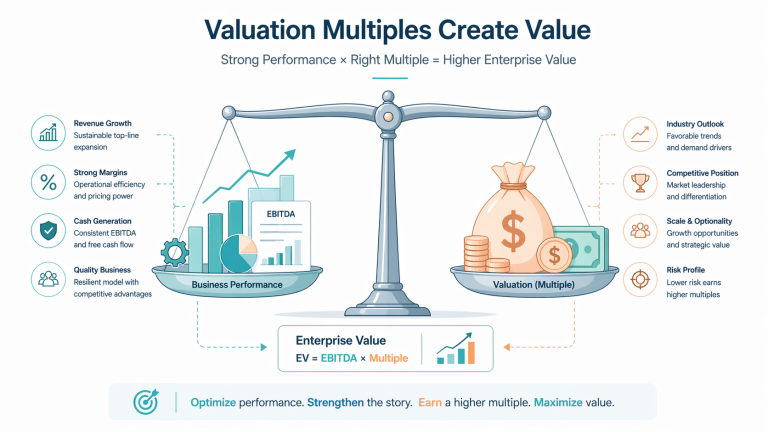
The timeline threads through valuation, readiness, execution. Strong prep links to higher multiples—explore valuation multiples. It ties to exit planning, data rooms, buyer appeal.
Visit our M&A blog for more. For tailored advice, book a confidential call or start your M&A journey.
Ready to map your timeline? Download our seller readiness checklist.
Take the first step today. Start here – the journey for business sellers.