Uncovering hidden risks: Why audits matter in business sales
As a business owner eyeing an exit, you’ve built something valuable, but the sale process can expose cracks you never knew existed. Imagine handing over your financials only to hear a buyer balk at incomplete records or compliance gaps. This isn’t hypothetical—many deals falter here, leading to slashed valuations or outright collapses.
Audits aren’t just bureaucratic hurdles; they’re your shield against surprises. In today’s M&A landscape, especially in dynamic markets like Vietnam, buyers demand transparency. Sell-side due diligence, akin to a preemptive audit, uncovers issues early, unlocking potential value that might otherwise stay hidden. Whether it’s verifying tax compliance or streamlining financials for carve-outs, preparation sets top-dollar deals apart from disappointments.
Shifting supply chains from China to Vietnam highlight this urgency—tariffs and logistics shifts mean buyers scrutinize stability closely. Without robust audits, your business risks looking unstable amid regulatory changes in corporate restructuring or transfer pricing. This guide breaks it down practically, helping you decide if a full audit fits your sale strategy and how to execute it right.
Table of Contents
- Why business owners need to understand audits before selling
- Audits from a seller’s perspective
- How investors view this issue
- Common seller mistakes
- Practical checklist for business owners
- When should sellers start preparing
- How this connects to the overall business sale journey
Why business owners need to understand audits before selling
Entering the M&A arena without grasping audits is like navigating a storm blindfolded. Audits provide the verifiable truth buyers crave, mitigating risks that could derail negotiations. In competitive markets, where manufacturing costs, quality, and logistics between Vietnam and China are dissected, clean financials signal reliability.

Consider regulatory frameworks for corporate restructuring in Vietnam—buyers won’t touch a deal without assurance on compliance. Transfer pricing amendments in VAT law add layers; unaddressed discrepancies invite penalties post-sale. Understanding audits empowers you to front-run these issues, preserving enterprise value.
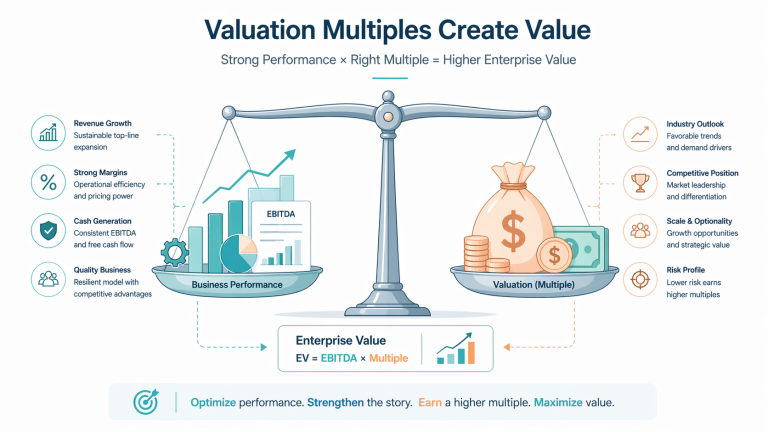
Beyond compliance, audits reveal operational efficiencies. Holistic financial management boosts carve-out sale value, separating viable units cleanly. Sellers who invest here often see 20-30% valuation uplifts, as buyers perceive lower integration risks. Skipping this leaves you reactive, negotiating from weakness.
Global supply chains underscore the point: top Apple suppliers thrive on audited precision. Vendors without it face exclusion. For your business, audits bridge the gap between potential and proof, essential in tariff-impacted trades where sourcing from China spells losses for Amazon sellers.
Audits from a seller’s perspective
From where you sit, audits feel like an added cost—time-consuming reviews of books long neglected. Yet, they’re your proactive edge. Sell-side and vendor due diligence mirror buyer scrutiny, letting you fix flaws before they negotiate discounts.
In Vietnam’s evolving landscape, audits align with tax and transfer pricing compliance. Amendments demand accurate VAT reporting; audits ensure you’re not exposed. For carve-outs, a roadmap from sign to close hinges on audited financials, smoothing separations.
HK’s audit and compliance standards offer a blueprint—regular external reviews maintain investor confidence. Apply this locally: segment your financials early, validate intercompany transactions. Costs? Typically 1-2% of deal value, dwarfed by the 10-15% losses from unclean records.
Street-level analogies even apply: reasonable commissions for vendors rely on transparent tracking, much like your revenue streams need auditing for authenticity. This seller-first approach turns audits into value-adders, not burdens.
How investors view this issue
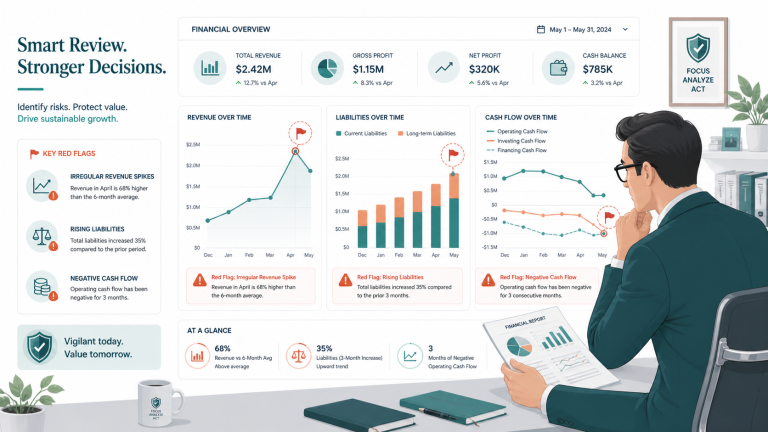
Buyers see audits as risk radars. In vendor due diligence, they probe for liabilities hidden in unaudited books. Clean audits signal a turnkey acquisition, justifying premium multiples.
For carve-outs, holistic financial management is non-negotiable—EY notes it boosts sale value by clarifying standalone viability. Investors in Vietnam watch restructuring frameworks closely; audited compliance de-risks regulatory hurdles.
Supply chain players like Apple’s top 18 suppliers exemplify this: audited quality controls command loyalty. Amid Trump tariffs, China-sourced goods face price hikes—investors favor audited Vietnam alternatives for stability. Monkey trade reports highlight illicit risks; ethical buyers demand audits to avoid reputational taint.
Ultimately, investors equate unaudited financials with uncertainty, slashing offers or walking. Audited businesses? They’re the ones closing fast at full value.
Common seller mistakes
Sellers often treat audits as afterthoughts, rushing post-LOI only to uncover fixes needing months. This delays closings, eroding momentum.
Another pitfall: piecemeal compliance. Ignoring transfer pricing in Vietnam VAT amendments leaves tax exposures buyers exploit. Or skimping on carve-out prep—without holistic management, separated units look unviable.
Overlooking vendor due diligence is rampant; buyers’ deep dives reveal what self-audits miss, like inconsistent logistics data in Vietnam-China shifts. Founders dependent on unverified books face steep haircuts—check our post on Founder Dependency Risk in Business Sales.
Neglecting legal-financial interplay bites too; see Legal Preparation Before M&A. These errors compound, turning viable sales into failures.

Practical checklist or framework for business owners
Here’s a step-by-step framework to audit-proof your sale:
- Assess current state: Review last three years’ financials for completeness. Engage internals or advisors for gaps.
- Prioritize compliance: Audit tax filings, especially Vietnam VAT and transfer pricing. Cross-check restructuring readiness.
- Conduct sell-side DD: Simulate buyer scrutiny—financials, contracts, IP. Fix via vendor due diligence.
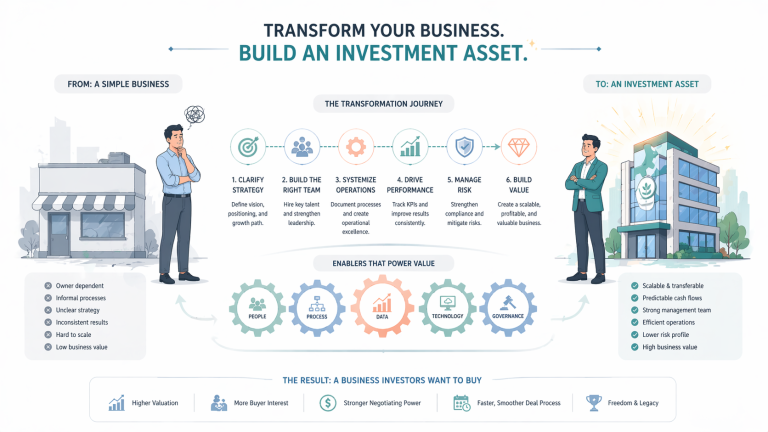
- Financial cleanup: Normalize EBITDA, segment for carve-outs. Holistic management here maximizes value.
- External validation: Hire auditors for HK-style compliance if scaling regionally. Verify supply chain docs amid shifts.
- Document everything: Create data rooms with audited trails. Test with mock buyer Q&A.
- Timeline integration: Align with 12-month prep; read 12-Month Preparation Checklist.
For financials, prepare statements per Preparing Financial Statements Before Selling a Business. Download our seller readiness checklist for templates.
When should sellers start preparing
Begin 12-18 months pre-market. Early audits allow fixes without panic. If motivations align—like in Why Business Owners Decide to Sell—time it right per When Is the Right Time to Sell a Business?.
In Vietnam, regulatory shifts demand proactive stances. Carve-out roadmaps thrive on advance prep, from sign to close seamlessly.
How this connects to the overall business sale journey
Audits thread through every M&A phase. Pre-sale: Build appeal. Marketing: Back claims. DD: Withstand probes. Closing: Seamless handover.
Link to financial prep ensures robust valuations. Avoid first-timer pitfalls via Common Mistakes First-Time Sellers Make. For capital vs. sale choices, see M&A vs Raising Capital.
Visit our M&A blog for more. Reference the M&A glossary for terms.
Ready to audit-strengthen your exit? Download our seller checklist.
Assess your readiness confidentially. Start your M&A journey or book a confidential call.