How to Keep Employees from Knowing About Your Business Sale Too Early

Maintaining confidentiality when selling your business
Selling a business is a high-stakes process that demands discretion, especially when it comes to your employees. The moment word gets out too early, you risk everything from productivity dips to key talent walking out the door. As a business owner eyeing an exit, you’ve poured years into building your company, and the last thing you want is premature leaks derailing the deal.
Imagine this: You’re in advanced talks with a buyer, valuations are looking strong, and suddenly rumors swirl through the office. Employees start updating resumes, customers get nervous, and suppliers tighten terms. Deals like this have crumbled before closing, not because of price disagreements, but because internal morale tanked. In my experience advising sellers across Asia, timing the reveal to your team is as critical as getting the financials right.
This isn’t about deception—it’s about protecting the value you’ve created until the ink is dry. Buyers expect a stable operation, and any whiff of disruption can shave multiples off your offer. We’ll break down why this matters, how to handle it from the seller’s side, what buyers watch for, pitfalls to dodge, and a step-by-step framework to keep things under wraps. By the end, you’ll know exactly how to navigate this delicate phase without losing control.
Table of Contents
- Why business owners need to understand employee confidentiality before selling
- Employee confidentiality from a seller’s perspective
- How buyers view employee awareness risks
- Common mistakes sellers make with employee communications
- Practical checklist for maintaining confidentiality
- When should sellers start preparing communications?
- How confidentiality fits into the overall business sale journey

Why business owners need to understand employee confidentiality before selling
Employee confidentiality isn’t just polite—it’s a cornerstone of deal success. When you’re preparing to sell, your business’s value hinges on continuity. Buyers pay premiums for operations that hum along without interruption, and early leaks can signal instability.
Consider the ripple effects: Staff hearing rumors might disengage, leading to errors in customer service or production. High-performers, feeling uncertain, often jump ship first, creating talent voids that buyers scrutinize during due diligence. This isn’t hypothetical; I’ve seen sales processes extend by months or collapse entirely because a single manager let slip details too soon.
Understanding this upfront lets you front-load preparations. It shapes how you structure your data room, select confidants, and even time non-compete discussions. Sellers who master this control the narrative, preserving leverage and maximizing exit multiples.
Beyond finances, there’s the human element. Loyal teams deserve thoughtful handling, but transparency too early invites anxiety that erodes trust. By grasping these dynamics early, you position yourself as a steady hand—appealing to buyers who prioritize seamless transitions.
Finally, legal angles loom large. Employment contracts, non-disclosure agreements, and local labor laws add layers. In Vietnam, for instance, abrupt changes can trigger disputes under the Labor Code. Knowledge here prevents compliance snags that could halt deals.
Employee confidentiality from a seller’s perspective
From where you sit as the owner, confidentiality feels personal. You’ve built relationships with your team, and breaking the news requires balancing honesty with timing. The goal: Shield daily operations while laying groundwork for a smooth handover.
Start with your inner circle. Identify a handful of trusted senior leaders who need early awareness—perhaps your COO or finance head—but only after NDAs are signed. Frame it as a positive evolution, emphasizing job security post-sale. This creates allies who reinforce stability.
For the broader team, business as usual is key. Maintain routines, hit targets, and avoid behavioral shifts that fuel gossip. If questions arise, use vague, optimistic responses: “We’re exploring growth opportunities” keeps speculation at bay without lying.
Monitor morale subtly. Tools like anonymous pulse surveys gauge sentiment without tipping your hand. Address dips proactively, tying them to general market strategies rather than specifics.
Your role evolves too. Delegate more visibly to show transition readiness, reducing perceptions of your indispensability. This not only protects value but demonstrates to buyers that the business runs independently—a huge plus in negotiations.
Emotionally, it’s tough. Guilt over secrecy can tempt oversharing, but remind yourself: Full disclosure comes at closing, backed by buyer commitments on retention bonuses or role continuity.
How buyers view employee awareness risks
Buyers approach employee confidentiality with a keen eye on risk. They invest in momentum, and any sign of internal unrest flags potential post-deal headaches like retention costs or integration failures.
In due diligence, they probe team stability. Questions like “How will you manage the announcement?” reveal your plan. A vague response erodes confidence; a structured timeline impresses.
Strategic buyers, often competitors, worry about talent poaching. They expect you to have retention incentives lined up, like stay bonuses tied to performance milestones. Financial buyers focus on continuity—lost productivity directly hits EBITDA projections.
They also assess cultural fit early. If leaks have already occurred, it suggests control issues, prompting deeper scrutiny or lower bids. Conversely, airtight processes signal professionalism.
Buyers favor sellers who segment communications: Core team first, then all-hands post-LOI. They may even offer communication templates or PR support, viewing it as shared value preservation.
Ultimately, buyers see proactive confidentiality as proof of your stewardship. It reassures them the asset they’re acquiring is intact, justifying stronger terms.
Common mistakes sellers make with employee communications
Sellers often trip over the same hurdles, turning manageable situations into crises. First, confiding too widely too soon. Sharing with mid-level managers without vetting loyalty invites leaks—gossip travels fast in tight-knit teams.
Another pitfall: Behavioral changes. Owners pulling back or hovering excessively signals something’s amiss. Buyers notice this in site visits, questioning leadership depth.
Vague or inconsistent messaging breeds rumors. If one leader says “expansion” and another hints at change, speculation explodes. Align your narrative tightly.
Neglecting legal prep is rampant. Announcing without reviewing contracts risks wrongful termination claims or demands for severance. In competitive markets, ex-employees badmouthing deals on social media can poison buyer pools.
Timing the reveal poorly—too late leaves no adjustment buffer; too early sparks flight risk. I’ve advised sellers who lost their top salesperson days before signing because of hallway whispers.
Finally, underestimating digital trails. Emails, Slack chats, or shared drives can expose plans during diligence. Scrub ruthlessly and use secure channels.
Avoiding these keeps your process on rails, preserving the hard-won value in your business.
Practical checklist for maintaining confidentiality
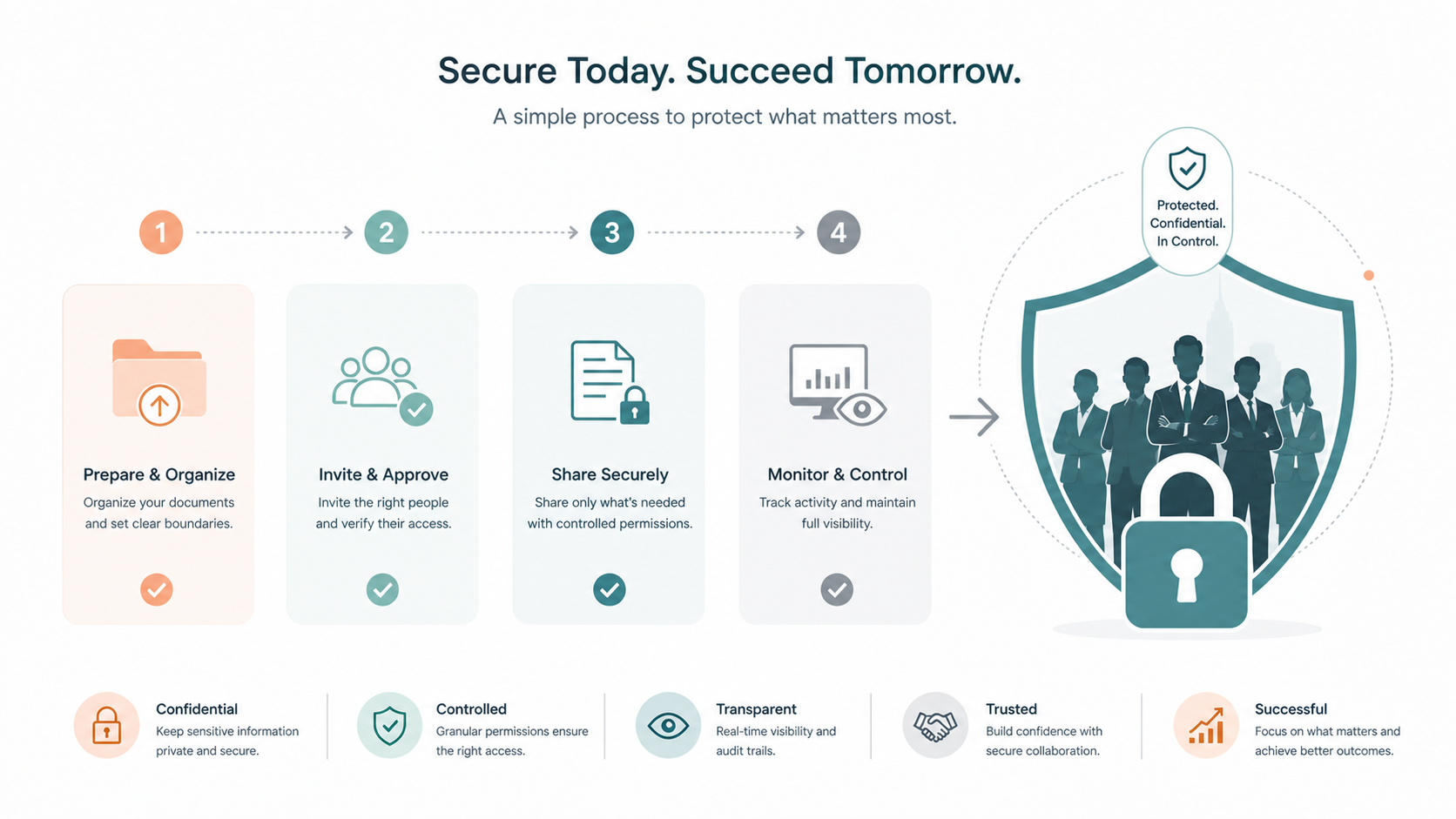
Here’s a actionable framework to guide you. Tailor it to your scale, but follow sequentially for best results.
Pre-Process (Months 6-12 Before Marketing):
- Review all employment contracts for notice periods, non-competes, and gag clauses.
- Identify 3-5 key confidants; prepare personal NDAs.
- Audit digital communications—implement access controls on sensitive files.
- Develop a high-level comms script: “Strategic opportunities ahead.”
Marketing Phase (LOI Pending):
- Sign NDAs with inner circle; brief on do’s/don’ts.
- Increase delegation to normalize your reduced visibility.
- Run pulse checks; address unrelated concerns promptly.
- Secure buyer alignment on announcement protocol.
Due Diligence to Closing:
- Limit site visits to off-hours or remote teams.
- Prep retention packages for critical staff.
- Monitor external chatter (Glassdoor, LinkedIn).
- Finalize reveal timeline: Core team at LOI, full team post-signing.
Post-Closing Transition:
- All-hands meeting with buyer intro.
- Distribute FAQs on changes.
- Follow up weekly for first 90 days.
Download our seller readiness checklist for a printable version with timelines.
When should sellers start preparing communications?
Begin 12 months out, aligning with overall exit planning. Early focus lets you normalize changes gradually—hiring deputies, documenting processes—without raising flags.
At 6 months, as you start your M&A journey, lock in confidants and legal reviews. This phase tests your plan internally.
Once marketing launches (3-6 months pre-close), activate scripts and monitoring. Post-LOI, brief the core team to gain buy-in.
Don’t wait for buyer pressure—proactive sellers dictate terms. Factors like team size or industry gossip levels adjust timing: Larger firms need earlier delegation; rumor-prone sectors demand tighter controls.
Reassess quarterly. If talent market heats up, accelerate retention talks. This phased approach minimizes surprises, keeping operations pristine.
How this connects to the overall business sale journey
Employee confidentiality threads through every sale stage, amplifying preparation elsewhere. It ties directly to factors boosting exit success, like stable financials and clean governance.
In valuation, undisrupted ops support higher multiples—buyers discount chaos. Due diligence demands proof of control, from comms logs to retention binders.
Post-sale, it eases integration, fulfilling earn-outs tied to retention KPIs. Link it to broader readiness: Data rooms include comms protocols; teasers omit internal hints.
For a holistic view, explore our M&A blog or book a confidential call with an advisor. This isn’t isolated—it’s the glue holding your exit together.
Ready to prepare? Download our seller checklist here.
Start your journey today get an initial assessment.