What Are the Risks of Earn-Outs? A Guide for Sellers

Earn-outs: The double-edged sword in business sales
As a business owner eyeing an exit, you’ve likely heard about earn-outs. They’re pitched as a way to bridge valuation gaps, letting you capture upside potential post-sale. But beneath the appeal lies a web of risks that can erode your payout, prolong disputes, and even derail the deal. Many sellers walk into earn-out agreements without grasping how buyers can structure them to shift risk onto you, or how performance metrics might be gamed against your interests.
Picture this: You sell your company for a base price plus an earn-out tied to revenue targets. A year later, the buyer reports numbers that fall short—due to their integration decisions or market shifts they control—and your additional millions evaporate. Real-world deals show this happening too often, with sellers receiving far less than anticipated. Understanding these pitfalls isn’t just prudent; it’s essential to protect your financial future.
In this guide, we’ll unpack earn-out risks from your vantage point, highlight buyer perspectives, spotlight common errors, and arm you with a practical framework. Whether you’re in manufacturing, tech, or services, knowing these dynamics can mean the difference between a smooth exit and years of litigation.
Table of Contents
- Why business owners need to understand earn-out risks before selling
- Earn-out risks from a seller’s perspective
- How buyers view this issue
- Common seller mistakes
- Practical checklist for business owners
- When should sellers start preparing?
- How this connects to the overall business sale journey
Why business owners need to understand earn-out risks before selling
Selling a business is a once-in-a-lifetime event for most owners. Earn-outs appear in up to 30-50% of mid-market deals, especially where projections diverge. Without insight into their risks, you risk leaving money on the table or facing post-closing battles that drain your resources.
Consider the core issue: Earn-outs defer payment based on future results, transferring performance risk from buyer to seller. If your business hits snags under new ownership—through no fault of your own—your payout shrinks. Buyers love this; it aligns incentives while minimizing upfront cash. But for sellers, it often means optimism bias clouds judgment.
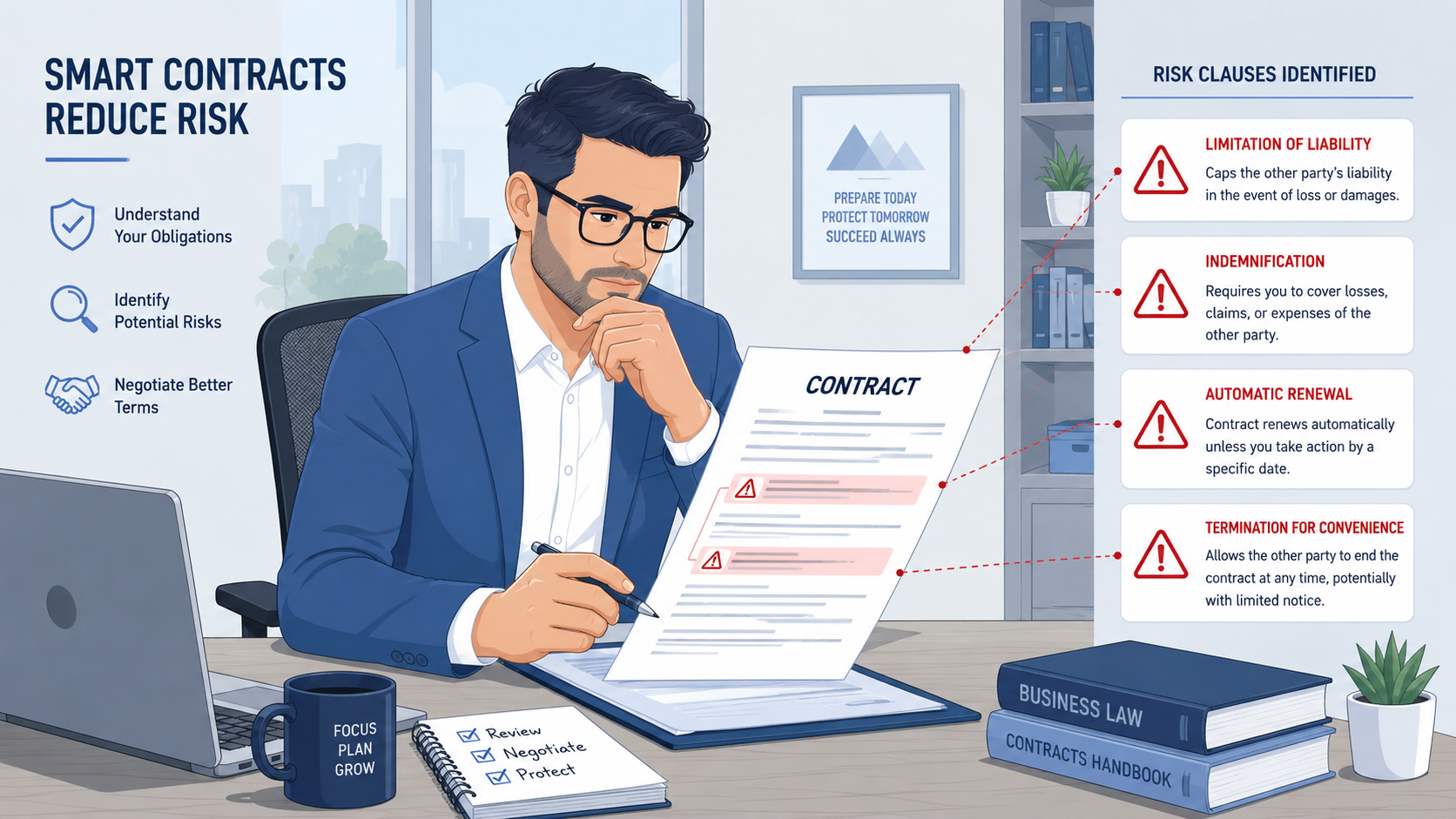
Grasping these risks empowers negotiation. You can push for protections, cap contingencies, or walk away from unbalanced terms. In volatile sectors like tech or consumer goods, where forecasts falter, this knowledge prevents deals that sound great on paper but falter in execution. Ultimately, it’s about securing your legacy and retirement, not gambling on buyer goodwill.
Earn-out risks from a seller’s perspective
From where you sit, earn-outs promise to capture the full value of your growth trajectory. Yet, they expose you to several vulnerabilities.
First, measurement disputes. Metrics like EBITDA or revenue are rarely straightforward. Buyers might exclude one-time costs you included or adjust definitions post-close. Without ironclad language, audits turn contentious, with legal fees mounting quickly.
Second, control loss. Once sold, you no longer steer the ship. Buyer decisions—rebranding, cost cuts, or market shifts—can torpedo targets. Many agreements lack ‘efforts clauses’ mandating good-faith operations, leaving you powerless.
Third, time horizon mismatches. Earn-outs often span 1-3 years, tying your finances to prolonged uncertainty. Tax implications add pain: Deferred payments may trigger ordinary income rates, not capital gains.
Fourth, asymmetric information. Buyers have incentives to lowball earn-out potential during due diligence, then optimize for themselves later. In one typical scenario, a software firm seller saw 40% of value at risk via earn-out, only for buyer synergies to undermine results.
Finally, motivation dilution. If you’re staying on, earn-outs can create conflicts—pushing short-term gains over sustainability. Sellers report strained relationships, with buyers second-guessing every move.
To mitigate, demand clear definitions, audit rights, and acceleration triggers on change of control. But awareness starts with recognizing these seller-side exposures.
How buyers view this issue
Buyers see earn-outs as risk mitigators, essential for deals where seller projections seem aggressive. They bridge the ‘valuation gap’—your 5x EBITDA multiple versus their 3x based on normalized earnings.
From their lens, earn-outs prove post-deal performance under their management. It reduces overpayment risk in uncertain environments. Financial buyers (private equity) favor them for leveraged buyouts, tying payouts to debt service capacity. Strategic buyers use them to validate synergies.
Yet, buyers also face risks: Sellers might sandbag pre-close or bolt post-sale, harming integration. They counter with caps, collars, and working capital adjustments. In negotiations, they’ll push for buyer-favorable metrics, like ‘net revenue’ excluding your legacy deals.
Understanding this mindset helps you anticipate pushback. Buyers aren’t villains; they’re protecting capital. But their structure often tilts odds against you, making seller protections non-negotiable.

Common seller mistakes
Sellers trip up repeatedly on earn-outs, often due to haste or inexperience.
- Not defining metrics precisely: Vague terms like ‘synergies’ invite disputes. Always specify calculations, with examples.
- Ignoring efforts covenants: Without ‘commercially reasonable efforts’ to meet targets, buyers can self-sabotage.
- Over-relying on projections: Tie earn-outs to conservative baselines, not stretch goals. Check out our guide on valuation multiples for context.
- Skipping dispute resolution: Fast-track arbitration saves years versus courts.
- Forgetting tax and indemnity links: Earn-outs can trigger reps & warranties claims, offsetting gains.
- Accepting uncapped downside: No floors mean total loss if targets miss wildly.
Avoid these by involving M&A advisors early. One seller lost 25% of value to a ‘working capital true-up’ hidden in earn-out fine print.
Practical checklist or framework for business owners
Here’s a step-by-step framework to navigate earn-outs safely.
- Assess necessity: Only accept if valuation gap exceeds 20%. Otherwise, negotiate upfront cash.
- Quantify exposure: Limit earn-out to 20-30% of total value. Set floors (80% payout minimum) and caps.
- Define metrics rigorously: Use GAAP-consistent formulas. Include seller protections for buyer actions (e.g., no layoffs impacting targets).
- Secure audit and dispute rights: Quarterly reporting, third-party audits, expedited arbitration.
- Plan for taxes: Structure for capital gains where possible; model scenarios.
- Align incentives: Include acceleration on sale or IPO.
- Document baselines: Lock in pre-close numbers to prevent manipulation.
Download our seller readiness checklist for more prep tools. This framework has helped sellers reclaim millions in stalled deals.
When should sellers start preparing?
Begin 12-18 months pre-sale. Clean books early to support realistic projections, reducing earn-out reliance. Model scenarios: What if targets miss by 10%? Build buffers into financials.
Engage advisors 6-9 months out for term sheet reviews. Test earn-out language in LOIs. If staying post-close, align employment terms now.
Procrastination amplifies risks—rushed deals favor buyers. Early prep links to broader readiness; see key factors affecting valuation.
How this connects to the overall business sale journey
Earn-outs fit mid-funnel in M&A: Post-valuation, pre-close. They stem from due diligence findings, influencing LOI terms. Strong prep—like normalized EBITDA—minimizes them.
In the journey: Discovery → Valuation → Marketing → Negotiation → Due Diligence → Close. Earn-outs surface in negotiation; mishandling cascades to failure. Post-sale, they extend ties, impacting earn-out disputes.
Integrate with holistic strategy: Boost multiples via pre-sale value enhancement. For tailored advice, start your M&A journey or book a confidential call with our team. Visit our M&A blog for more insights.
Ready to safeguard your exit? Download our seller checklist.
Take the first step today. Start here – The journey for business sellers.


