How to Keep Your Business Sale Confidential: Essential Seller Tips

Confidentiality breaches can quietly sabotage your business exit
In the high-stakes world of selling a business, maintaining confidentiality isn’t just a best practice—it’s your first line of defense against chaos. Imagine this: word leaks that you’re shopping your company, and suddenly employees panic, customers jump ship, competitors circle like sharks, and suppliers hike prices. Deals crumble before they even start. As an M&A advisor with years navigating these waters, I’ve seen strong businesses lose millions in value from a single slip.
Confidentiality protects your sensitive information—financials, customer lists, IP—from falling into the wrong hands during due diligence. But in Asia’s dynamic markets, where relationships drive deals, one whisper can unravel everything. Recent developments underscore this: cybersecurity due diligence has become nonnegotiable in M&A to counter invisible threats. Similarly, protecting intellectual property remains critical for foreign companies in places like Indonesia.
For sellers, getting this right means controlling the narrative and timing. It starts with NDAs, but goes deeper into process design and team alignment. This guide breaks it down practically, drawing from real-world pitfalls and strategies that keep deals on track.
Table of Contents
- Why business owners need to understand business sale confidentiality before selling
- Business sale confidentiality from a seller’s perspective
- How investors view this issue
- Common seller mistakes
- Practical checklist for business owners
- When should sellers start preparing
- How this connects to the overall business sale journey
Why business owners need to understand business sale confidentiality before selling
Business sale confidentiality is the invisible shield that preserves your company’s value throughout the M&A process. Without it, premature disclosure can trigger a cascade of problems: talent flight, customer attrition, supplier disruptions, and opportunistic competitor moves. In competitive markets like Vietnam and China, where rumors spread fast, owners who ignore this risk devaluing their business by 20-30% or more.
Understanding confidentiality empowers you to mitigate risks proactively. It involves more than signing NDAs; it’s about structuring the entire sale process to limit exposure. For instance, trade secrets demand robust protections—China’s new trade secret rules do not replace traditional NNN agreements, which remain essential for safeguarding proprietary info shared with partners.
Buyers expect sellers to handle confidentiality professionally, as it signals operational maturity. A breach signals sloppiness, eroding trust and negotiation leverage. Moreover, regulatory angles add layers: beneficial ownership regulations in Vietnam require foreign investors to confront transparency truths, indirectly heightening confidentiality stakes in cross-border deals.
From valuation to closing, confidentiality influences every stage. Owners who master it position their business as low-risk, attracting premium offers. Neglect it, and you invite scrutiny that could kill momentum.
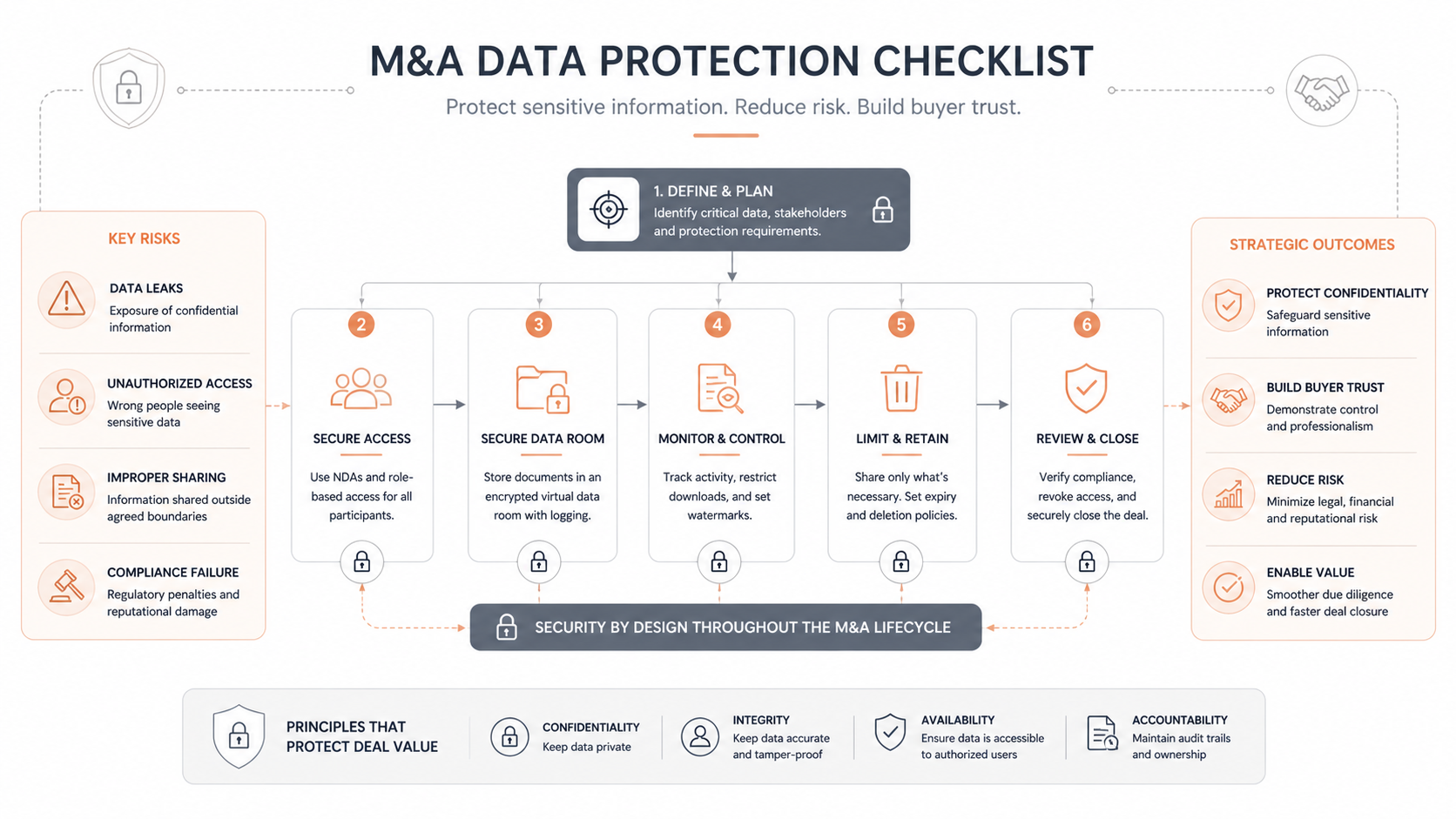
Key reasons to prioritize this:
- Preserve operations: Employees focused on rumors distract from performance, hitting key metrics like EBITDA.
- Protect competitive edge: Leaks hand rivals a roadmap to undercut you.
- Maintain bargaining power: Controlled info flow lets you dictate terms.
- Comply with laws: IP protections in Indonesia demand vigilance for foreign firms engaging locally.
Invest time here early—it’s cheaper than recovering from a leak.
Business sale confidentiality from a seller’s perspective
As a seller, confidentiality is your control mechanism. You decide what, when, and to whom information flows. Start by segmenting data: teaser documents reveal high-level appeal without specifics, progressing to full due diligence only post-NDA.
Craft ironclad NDAs tailored to your deal. Include perpetual protections for trade secrets, non-solicit clauses for employees/customers, and clear breach remedies. In brand-heavy businesses, proactive steps matter—protecting your brand in Vietnam and China requires global strategies beyond local filings.
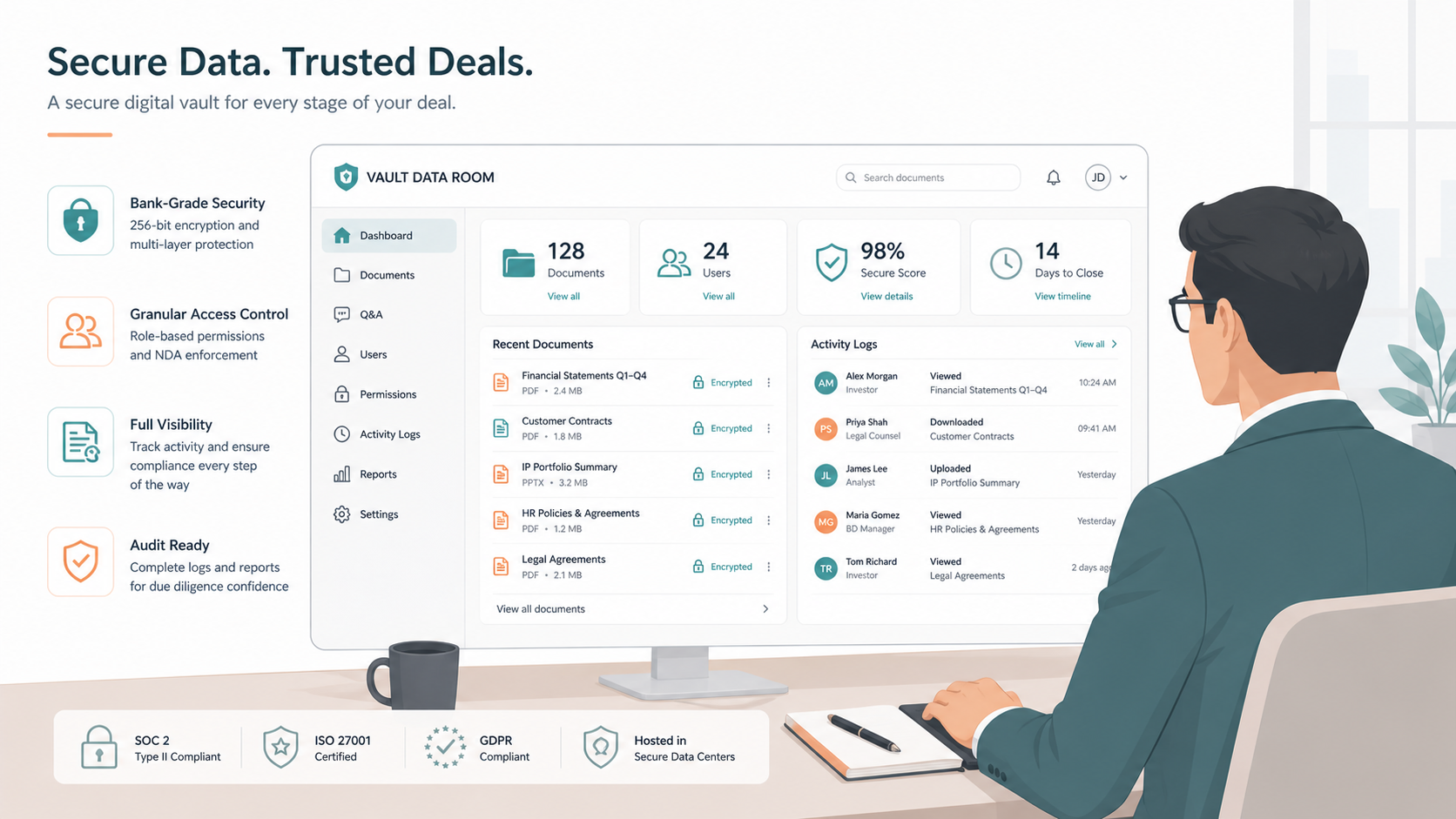
Internally, limit the circle: key executives only, no broad announcements. Use virtual data rooms with audit trails for secure sharing, as outlined in our guide on preparing a data room for M&A. This not only enforces confidentiality but demonstrates professionalism.
Handle intermediaries wisely—advisors bound by duty, but vet their networks. In cybersecurity-vulnerable Asia, assume digital risks; encrypt everything and monitor access.
Sellers often underestimate personal networks. A casual lunch chat can spark rumors. Train your team on discretion, framing the process as routine strategy to quell curiosity.
From this vantage, confidentiality buys time to optimize the business, like cleaning up cap tables or boosting recurring revenue, making your company more attractive to buyers. Check our tips on making your business attractive for aligned prep.
How investors view this issue
Buyers see confidentiality as a litmus test for your business’s integrity. Strategic acquirers worry about market reactions; financial buyers scrutinize process discipline. A leaky seller raises red flags on internal controls, potentially inflating post-deal integration costs.
In due diligence, they demand cybersecurity checks—invisible threats make this nonnegotiable. Weak protections signal vulnerabilities they must fix, slashing offers.
PE firms and corporates value phased disclosures. They appreciate sellers using clean rooms or anonymized teasers, respecting their own confidentiality needs around board approvals.
Cross-border buyers factor local nuances: events like China Business Law Awards highlight legal excellence in protections, influencing trust. In Vietnam, beneficial ownership rules force transparency on ownership, but sellers must still shield operational secrets.
Ultimately, buyers reward confidentiality with faster processes and better terms. It shows you understand their risks, fostering partnership over transaction.
Common seller mistakes
Sellers trip up on confidentiality in predictable ways, often dooming deals.
- Oversharing early: Sending full financials without NDAs invites free rides for competitors.
- Weak NDAs: Generic templates lack teeth; customize for your IP and markets.
- Internal leaks: Telling too many staff without NDAs or scripts leads to gossip.
- Digital sloppiness: Emailing sensitive files or using unsecured platforms exposes data.
- Ignoring advisors: Unvetted bankers pitch broadly, breaching discretion.
Another pitfall: assuming post-LOI confidentiality is automatic. Push for mutual NDAs extending through closing.
In Asia, cultural openness can backfire—polite inquiries from partners turn into rumors. Counter with firm boundaries.
Practical checklist for business owners
Here’s a step-by-step framework to lock down confidentiality:
- Assess risks: Map sensitive assets—IP, customers, financials—and potential leak points.
- Draft tiered NDAs: Basic for teasers, comprehensive for diligence. Include NNN elements for China dealings.
- Set up secure infrastructure: Virtual data room with role-based access, watermarks, and expiration.
- Limit inner circle: 3-5 key people max, all under NDA. Script responses to queries.
- Vet intermediaries: Choose advisors with proven discreet track records.
- Phase disclosures: Teaser → CIM (post-NDA) → Full DD (LOI stage).
- Monitor and audit: Track data room activity; have breach response plan.
- Train on cybersecurity: Mandatory phishing awareness, endpoint protection.
- Plan communications: Pre-approved messaging for employees post-signing.
- Review quarterly: Update as deal progresses.
For IP-focused sellers, layer brand protection strategies in Vietnam, China, and beyond.
Download our seller readiness checklist for a full prep template integrating this.
When should sellers start preparing
Begin confidentiality planning 12-18 months pre-market. Align it with broader readiness—fix IP gaps, shore up cyber defenses before leaks matter.
If opportunistic, ramp up in 3-6 months: NDAs ready, data room prototyped. Never enter market without these basics.
Triggers: When exploring exits or fielding inbound interest. Early prep prevents rushed errors.
How this connects to the overall business sale journey
Confidentiality threads through every M&A phase. Pre-marketing: Build defenses. Marketing: Controlled outreach. DD: Secure sharing. Negotiation: Mutual protections. Closing: Final audits.
It ties to valuation—clean processes justify multiples. See our valuation multiples guide for context.
Post-sale, it eases transitions. Integrate with exit planning via starting your M&A journey.
Ready to safeguard your deal? Download our seller checklist.
Need expert guidance? Book a confidential call with our team.
Take the first step today. Start here for business sellers.