Do You Need to Publicly List Your Business for Sale?

Discretion or Disclosure: Navigating the Choice in Business Sales
In the world of mergers and acquisitions, one persistent question from business owners is whether they must publicly announce their company is for sale. Many imagine a mandatory listing on stock exchanges or public marketplaces, akin to real estate ads. But the reality is far more nuanced. Most successful deals happen quietly, through private networks and confidential outreach. Public listings can expose vulnerabilities, invite unwanted attention, and even undermine negotiations.
Consider recent developments in Vietnam’s market. Changes in shareholder structures have led companies like Bibica to lose their public company status, highlighting how public disclosures can trigger regulatory shifts and scrutiny. Meanwhile, the State Securities Commission is drafting regulations to boost market upgrades, and foreign investors now face no pre-funding requirements when buying Vietnamese stocks. These moves signal a maturing ecosystem where private transactions remain the norm for many sellers.
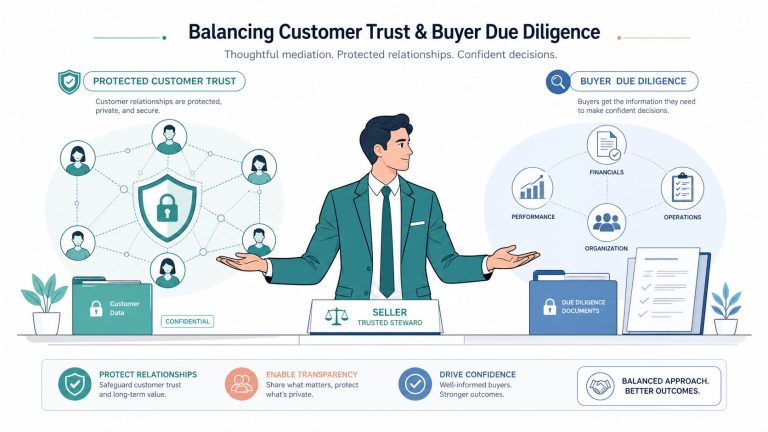
Publicly listing a business might seem like a way to attract buyers, but it often backfires. Competitors gain insights into your strategy, employees worry about job security, and customers might jump ship. As an M&A advisor with years of experience guiding sellers, I’ve seen discreet processes yield better outcomes—higher valuations and smoother closes. This article breaks down why you typically don’t need to go public, the pros and cons from a seller’s view, and practical steps to proceed confidentially.
Table of Contents
- Why business owners need to understand publicly listing before selling
- Publicly listing from a seller’s perspective
- How investors view this issue
- Common seller mistakes
- Practical checklist for business owners
- When should sellers start preparing
- How this connects to the overall business sale journey
Why business owners need to understand publicly listing before selling
Understanding whether to publicly list your business is crucial because it shapes your entire exit strategy. A public announcement can flood you with inquiries, but most will be tire-kickers—opportunists seeking dirt rather than serious buyers. In Vietnam, where the enterprise law saw key amendments in 2025, regulatory compliance adds layers of complexity. Public disclosures must align with updated reporting requirements, potentially delaying your timeline.
Without this knowledge, sellers risk valuation erosion. Buyers use public info to negotiate harder, knowing your desperation. I’ve advised owners who skipped public listings and closed deals 20-30% above market comps through targeted outreach. Conversely, public listings invite scrutiny from bodies like the EU, which recently added Vietnam to its list of non-cooperative jurisdictions for tax purposes. This means heightened compliance checks that can scare off international buyers.
Moreover, Vietnam’s tightening oversight on multi-level marketing via a new decree underscores the need for discretion in sensitive sectors. Public listings could amplify regulatory risks, turning a straightforward sale into a compliance nightmare. Business owners must grasp this to protect value and control the process.
Publicly listing from a seller’s perspective
From the seller’s side, publicly listing feels intuitive—like hanging a ‘For Sale’ sign to maximize exposure. Platforms exist for business sales, from online marketplaces to stock exchange notices. Yet, in practice, this approach rarely maximizes value. For private companies, which form the bulk of M&A activity, confidentiality preserves leverage.
Take Bibica’s case: amid major shareholder changes, it lost public company status. This illustrates how public visibility can lead to involuntary shifts in listing requirements. Sellers often overlook that public listings trigger mandatory disclosures under Vietnam’s enterprise law amendments, exposing financials prematurely.
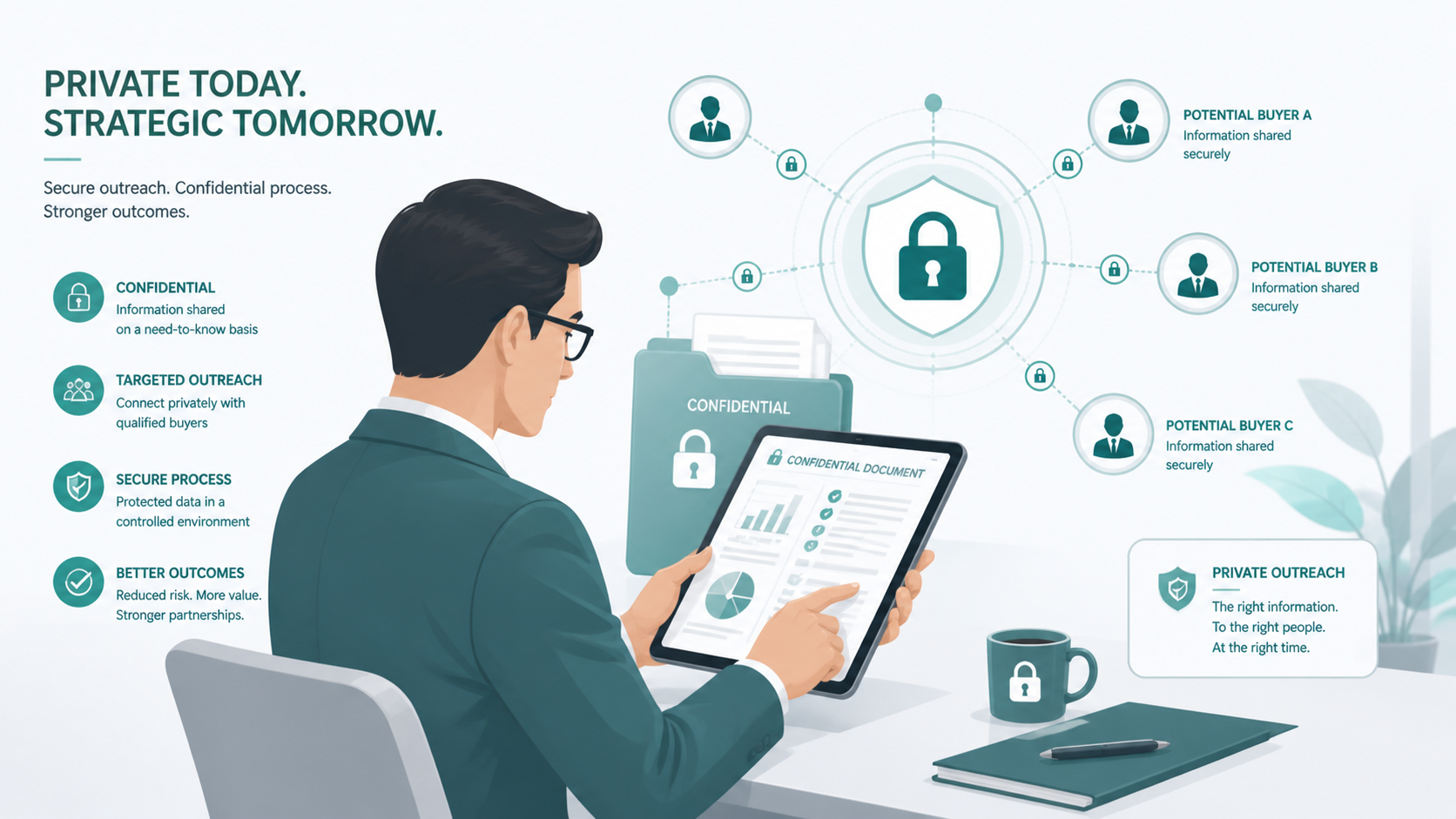
Instead, sellers benefit from a controlled narrative. Share teasers with qualified buyers only, maintaining mystique. This mirrors incentives under Decree 20/2026 driving private sector growth—private deals align with policies favoring discreet expansion. Public listings? They suit public firms eyeing IPOs, not owners seeking clean exits.
In my experience, 80-90% of mid-market deals in Vietnam stay off-market. Sellers who publicize early face bids from underqualified parties, prolonging the process and leaking sensitive data.
How investors view this issue
Buyers—strategics, financial sponsors, or individuals—prefer discretion. Public listings signal distress, implying the owner can’t find private buyers. Serious investors value proprietary deals sourced through advisors, avoiding auctions where prices inflate artificially.
Vietnam’s e-commerce law 2025 introduces provisions impacting online platforms, making public listings on digital marketplaces riskier for compliance. Investors also note the SSC’s drafts to boost market upgrades, easing foreign stock buys without pre-funding. Yet, for full acquisitions, they seek exclusivity, not public fishing expeditions.
Private equity views public sellers as commoditized, reducing premiums. Strategics worry about competitive intel leaks. VietinBank’s early bond buyback announcement shows even financial instruments benefit from targeted communication. Investors want clean due diligence, untainted by public noise.
Common seller mistakes
Sellers often err by rushing to public listings, believing more eyes mean better offers. This exposes them to lowball bids and rumors. Another pitfall: ignoring conditional listings tied to regulatory approvals, like those in updated enterprise laws.
Neglecting non-disclosure agreements before teasers leads to info breaches. Some post vague ads, attracting mismatched buyers. In Vietnam, overlooking M&A law comparisons across jurisdictions can miss cross-border nuances.
Finally, underestimating backlash—employees resign, suppliers tighten terms. Check out our guide on how to make your business attractive to buyers without public fanfare.
Practical checklist or framework for business owners
Here’s a step-by-step framework to handle sales without public listings:
- Assess readiness: Review financials, governance. Use our seller readiness checklist for a quick audit.
- Define criteria: Ideal buyer profile—industry, size, synergies.
- Engage advisors: Brokers with networks for targeted outreach.
- Craft teaser: Anonymized one-pager highlighting strengths.
- Sign NDAs: Before sharing details.
- Manage process: Staged disclosures, virtual data rooms. See preparing a data room for M&A.
- Monitor regulations: Align with enterprise law changes, tax implications.
- Negotiate privately: Leverage exclusivity.
This keeps control intact. For valuations, explore common business valuation methods.

When should sellers start preparing
Begin 12-18 months out. Early prep builds a compelling story without leaks. Align with market cycles—like Vietnam’s private sector incentives. If shareholder changes loom, as with Bibica, act preemptively.
Don’t wait for urgency; proactive sellers command premiums.
How this connects to the overall business sale journey
Discreet listings fit the M&A continuum: readiness, marketing, diligence, close. It ties to valuation accuracy—check M&A glossary for terms. Visit our M&A blog for more.
Private processes enhance outcomes, connecting to exit planning. Learn about factors increasing successful exits.
Ready to explore a confidential sale? Book a confidential call with our advisors.
Download our seller readiness checklist to start preparing today: get the checklist.
Begin your M&A journey: start here.