What Is Escrow in M&A? A Practical Guide for Business Sellers

Escrow: Your safeguard in the high-stakes world of M&A
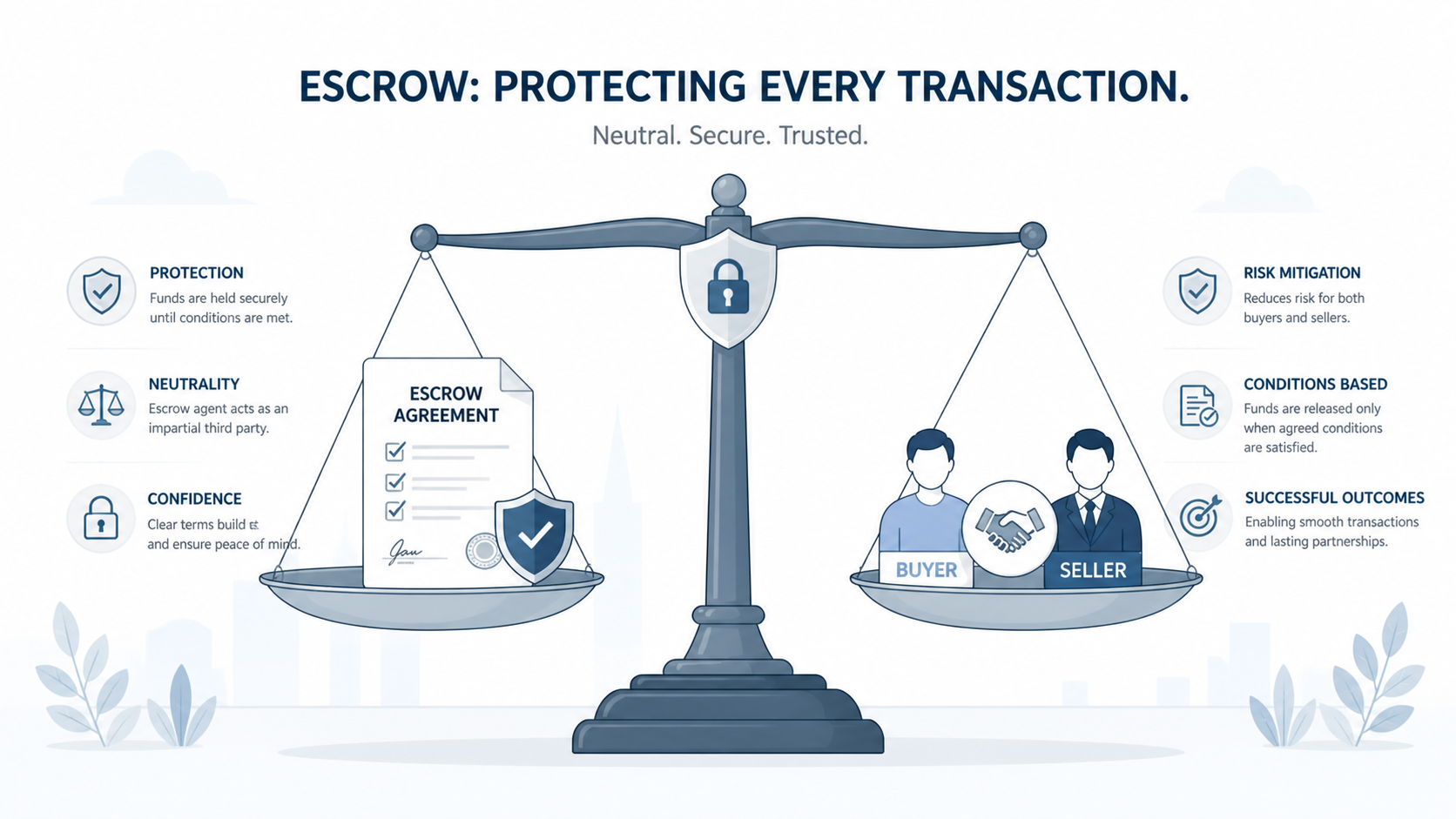
In the complex dance of mergers and acquisitions, where millions can change hands in an instant, trust is both essential and elusive. Imagine finalizing the sale of your business only to discover post-closing disputes eating into your payout. This is where escrow comes into play—a neutral holding mechanism that ensures both buyer and seller fulfill their obligations. As a business owner eyeing an exit, grasping escrow isn’t just advisable; it’s critical to protecting your hard-earned proceeds.
Escrow accounts hold a portion of the purchase price, typically 5-15%, for a set period after closing. Funds are released only when conditions like warranties hold true or indemnification claims are resolved. Without it, sellers risk clawbacks, while buyers face unmitigated exposure. In dynamic markets like Vietnam’s, where long-term investment commitments are on the rise, such as Gamuda Land’s recent pledge, structured safeguards like escrow build confidence. Similarly, evolving regulations, including a new decree on security transactions, underscore the need for reliable transaction security.
This guide breaks down escrow specifically for sellers, helping you navigate negotiations without leaving money on the table. We’ll explore its mechanics, pitfalls, and integration into your exit strategy, empowering you to approach deals with clarity and leverage.
Table of Contents
- Why business owners need to understand escrow in M&A before selling
- Escrow from a seller’s perspective
- How buyers view escrow
- Common seller mistakes with escrow
- Practical checklist for negotiating escrow
- When should sellers start preparing for escrow
- How escrow connects to the overall business sale journey
Why business owners need to understand escrow in M&A before selling
Business owners often focus on valuation and term sheets, overlooking post-closing mechanics like escrow. Yet, this oversight can erode deal value significantly. Escrow protects against breaches of representations and warranties (reps & warranties), a leading cause of disputes. According to industry benchmarks, 70-80% of M&A deals include escrow provisions, with sellers footing the bill through withheld funds.
Understanding escrow equips you to negotiate caps, baskets, and durations that minimize your exposure. For instance, without limits on claims, a single litigation could wipe out your escrow holdback. In seller-friendly markets, you might push for shorter terms—6-12 months—versus buyer-preferred 18-24 months. This knowledge prevents aggressive buyer demands from derailing your exit.
Moreover, escrow ties directly to your business’s cleanliness. Hidden liabilities surfacing post-close trigger releases to the buyer, directly impacting your net proceeds. Early awareness prompts thorough due diligence preparation, reducing surprises. As markets mature, like Vietnam’s with its new security transaction frameworks, savvy sellers use escrow as a negotiation tool rather than a concession.
Ultimately, demystifying escrow shifts power dynamics. You’re not just selling; you’re structuring a protected payout. This foresight avoids rushed agreements where buyers dictate terms, ensuring your legacy sale delivers maximum value.
Escrow from a seller’s perspective
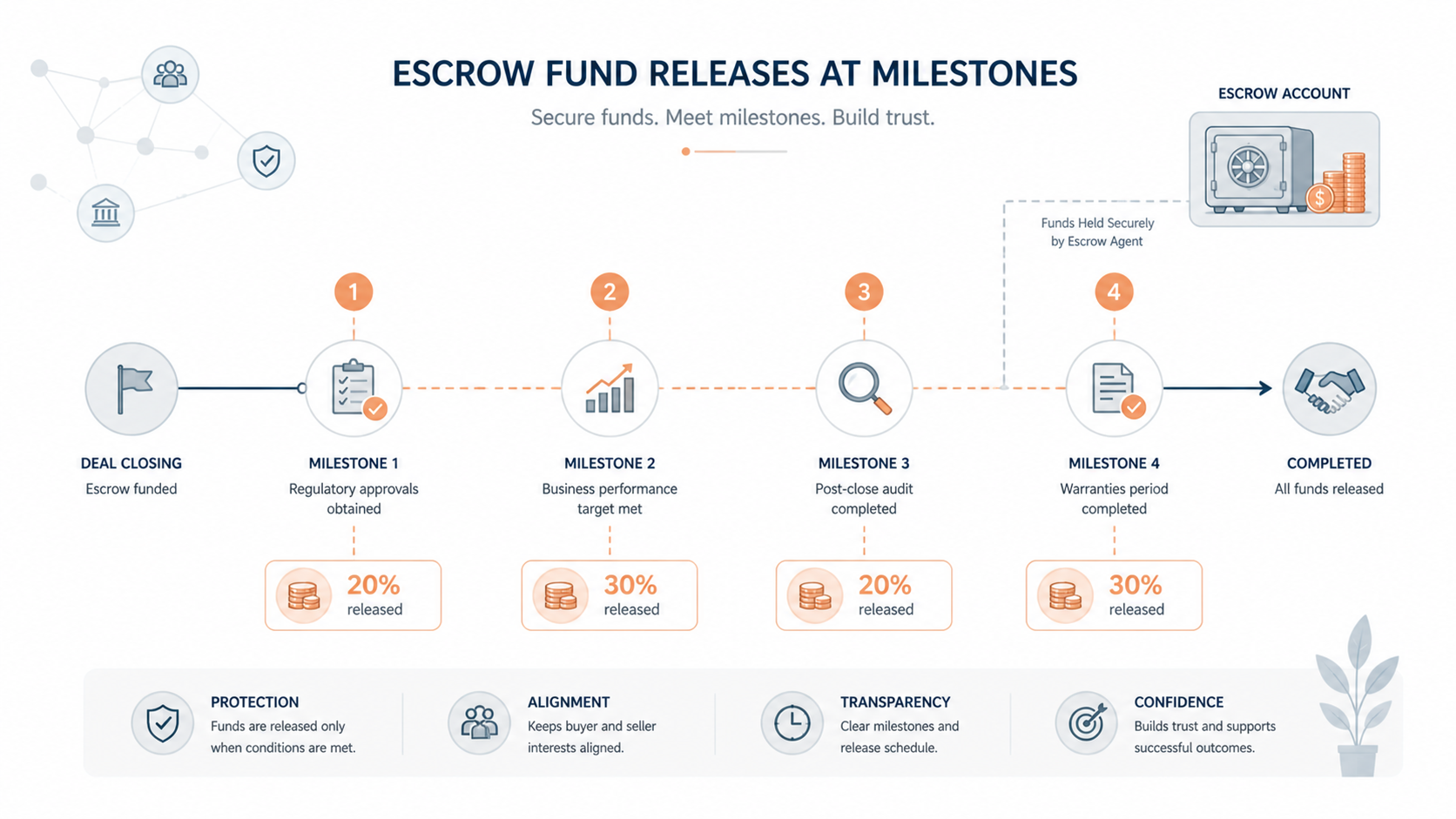
For sellers, escrow represents a necessary evil—a cash trap that delays full payment. Typically, 10% of the purchase price sits in an account managed by a third-party escrow agent, like a bank or law firm. Funds release in tranches: a portion at closing, the balance after the survival period ends without claims.
Key seller concerns include duration, amount, and release conditions. Shorter escrows (under 12 months) suit stable businesses with minimal tail risks, while longer ones apply to high-litigation sectors like tech or manufacturing. Negotiate de minimis thresholds—claims below $50,000 often don’t touch escrow—preserving your funds from nitpicking.
Tax implications matter too. Escrow funds are yours but held; interest accrues to you in many jurisdictions. Choose agents with strong reputations to avoid administrative delays. From experience, sellers who cap total liability at 1x escrow amount fare better, limiting downside.
In practice, view escrow as insurance you hope never to use. It facilitates closing by reassuring buyers, but smart structuring—like special indemnities outside escrow for known issues—protects your liquidity. This perspective turns a potential drag into a deal enabler.
How buyers view escrow
Buyers champion escrow as their primary risk mitigator. Strategic acquirers, especially in cross-border deals, demand it to cover unknown liabilities uncovered in due diligence. They see it as skin-in-the-game proof from sellers, aligning interests post-close.
Expect buyers to push for larger holdbacks (15-20%) in riskier targets, with extended survival periods matching statute of limitations—up to three years. Financial buyers like PE firms are particularly aggressive, often tying escrow to EBITDA adjustments or earn-outs.
Yet, buyers concede when sellers demonstrate clean books or insurance like R&W policies, which can replace or reduce escrow. In competitive auctions, multiple bidders soften demands, giving sellers leverage. Understanding this mindset lets you counter with data: audited financials or third-party warranties justifying lighter terms.
Buyers also value escrow for speed—pre-funded accounts enable quicker closings versus letters of credit. By anticipating their needs, sellers build rapport, fostering concessions elsewhere like price or terms.
Common seller mistakes with escrow
Sellers frequently stumble by accepting boilerplate terms without scrutiny. One pitfall: ignoring the basket—aggregate claims threshold before escrow taps. Without a tipping mechanism (e.g., first-dollar vs. deductible), minor issues cascade into major losses.
Another error: overlooking survival periods. Reps on financials might survive 18 months, but fundamental ones indefinitely—exposing you forever. Failing to define escrow material adverse events clearly invites disputes.
Neglecting agent selection is costly; poor agents delay releases amid claims. Sellers also err by not securing interest-bearing accounts or clarifying tax treatment, forfeiting earnings.
In Vietnam contexts, where security transactions evolve, ignoring local decree alignments risks non-compliance. Rushing negotiations without legal review amplifies these issues, turning escrow into a value destroyer. Proactive sellers audit terms line-by-line, consulting advisors early.
Avoiding these keeps escrow as a bridge, not a barrier. For deeper prep, check our guide on preparing a data room for M&A, as clean diligence reduces escrow demands.
Practical checklist for negotiating escrow
Approach escrow negotiations methodically. Start with these steps:
- Assess your risk profile: Review historical claims, litigation, and industry norms to benchmark holdback (aim 5-10%).
- Define key metrics: Negotiate cap (50-100% of holdback), basket ($100k deductible, 0.5% tipping), survival (12-18 months).
- Select the agent: Prioritize banks with M&A experience; vet fees and processes.
- Secure releases: Stipulate milestone releases (e.g., 50% at 6 months if no claims).
- Pair with insurance: Explore R&W policies to minimize or eliminate escrow.
- Document everything: Use escrow agreement as exhibit to SPA; include dispute resolution (arbitration).
- Tax and interest: Confirm accrual to seller; clarify 1099 reporting.
Customize based on deal size—smaller transactions (<$10M) often skip or lighten escrow. Use this framework to draft counter-proposals, preserving 90%+ liquidity at close. For terminology clarity, visit our M&A glossary.
When should sellers start preparing for escrow
Begin escrow planning during pre-marketing, not letter of intent stage. Audit reps & warranties 6-12 months pre-sale, addressing gaps to justify lighter terms. Engage counsel experienced in your sector for template reviews.
If targeting auctions, align with teaser prep—strong narratives around low tail risks attract bidder-friendly terms. Post-LOI, model scenarios: stress-test balance sheets for potential claims.
In extended processes, like Vietnam’s regulatory-heavy deals, factor in decree-compliant structures early. Preparation timeline: 3 months pre-diligence for policy shopping, 1 month pre-closing for agent setup. Early action minimizes holdbacks, maximizing day-one proceeds.
How escrow connects to the overall business sale journey
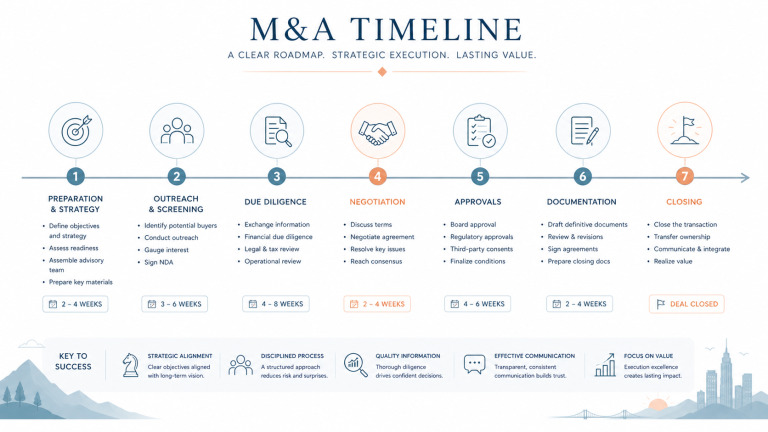
Escrow isn’t isolated—it’s the capstone of your M&A process. It links due diligence (uncovering issues that size holdbacks), valuation (escrow deducts from enterprise value), and post-close integration (claims arise here).
In the seller journey: Prep phase builds attractiveness via clean ops, reducing escrow needs—see how to make your business attractive to buyers. Negotiation embeds it in SPA economics. Closing funds it seamlessly.
Vietnam’s landscape amplifies this: Gamuda Land’s long-term investment commitment signals market stability, while the new decree on security transactions bolsters formal protections like escrow. Mastering it ensures smooth exits. To kick off, start your M&A journey or download our seller checklist.
Ready to safeguard your deal? Download our seller readiness checklist.
Begin with expert guidance. Book a confidential call today.