Why Businesses in the Same Industry Have Different Valuations

Unveiling why similar businesses command vastly different prices
As a business owner eyeing an exit, you’ve likely scanned recent M&A deals and scratched your head. Two companies in the same industry, similar revenues, comparable markets—yet one sells at a 4x EBITDA multiple while the other barely hits 2x. This isn’t random; it’s a symptom of hidden drivers that sophisticated buyers scrutinize. Understanding these valuation gaps isn’t just academic—it’s your edge in negotiating top dollar and avoiding a fire sale.
In today’s competitive M&A landscape, especially in high-growth markets like Vietnam, where foreign investors flock for opportunities, sellers who grasp these nuances prepare smarter. ESG implementation in Vietnamese businesses, for instance, can elevate a company’s profile, signaling long-term sustainability to global buyers. Meanwhile, broader investment appeal in the region underscores how macroeconomic tailwinds amplify certain profiles over others. Even cross-border lessons, like share valuation practices in India, highlight regulatory and methodological variances that ripple into deal pricing.
This disparity often stems from operational maturity, risk profiles, and strategic fit rather than surface-level metrics. Sellers ignoring them risk undervaluation or deal collapse. We’ll break it down practically, arming you with actionable insights to position your business in the premium bracket.
Table of Contents
- Why business owners need to understand valuation differences before selling
- Valuation differences from a seller’s perspective
- How investors view this issue
- Common seller mistakes
- Practical checklist for business owners
- When should sellers start preparing
- How this connects to the overall business sale journey
Why business owners need to understand valuation differences before selling
Picture this: You’re the founder of a manufacturing firm with steady 10% annual growth. A peer in the same sector, with identical top-line figures, just closed a deal at a 30% premium. Why? Without dissecting these differences, you walk into negotiations blindfolded, settling for less than your business deserves.
Valuation isn’t a formulaic output—it’s a narrative buyers buy into. In M&A, premiums hinge on perceived upside and mitigated risks. Businesses in the same industry diverge due to subtle factors like governance strength, customer diversification, or scalability proof. For sellers, this knowledge shifts you from reactive to proactive, spotlighting quick wins that boost multiples.
Consider Vietnam’s evolving market: As investors weigh why invest in Vietnam, they prioritize businesses with clean ESG practices. Those implementing ESG stand out, commanding higher valuations amid global sustainability mandates. Ignoring this leaves you commoditized.

Moreover, timing matters. Market cycles amplify differences—booms reward growth stories, downturns punish dependency. Owners who benchmark against peers early calibrate expectations realistically, dodging the shock of lowball offers. This understanding also informs key factors affecting business valuation, ensuring your story resonates.
Valuation differences from a seller’s perspective
From where you sit, valuation feels straightforward: revenue, profits, assets. But buyers peel back layers, revealing why peers diverge. Core financials set the baseline, yet adjustments for quality swing outcomes dramatically.
Take profitability: Two firms with the same EBITDA might differ in recurrence. Recurring revenue from contracts trumps one-off sales, justifying 1-2x higher multiples. Seller dependency is another killer—businesses reliant on the founder trade at discounts, as buyers factor in transition costs.
Operational excellence separates leaders. Scalable processes, tech integration, and supply chain resilience add premiums. In Vietnam, ESG implementation elevates businesses, aligning with investor ESG scrutiny and unlocking better terms.
Market positioning counts too. Niche dominance or international exposure commands more than domestic plays. Intellectual property, brand strength, and talent depth further widen gaps. Check our M&A glossary for terms like ‘synergies’ that buyers leverage to justify premiums.
Sellers often overlook intangibles: Cultural fit, ESG alignment, and growth trajectory. A peer with proven expansion into adjacent markets fetches more, even with flat revenues. Your lens should mirror this, auditing for uplift potential.
How investors view this issue
Buyers aren’t number-crunchers; they’re future-cash-flow forecasters. They dissect why one business in your industry merits a premium, focusing on risk-adjusted returns.
Strategic buyers seek synergies—cost savings or market access—that inflate valuations. Financial buyers emphasize normalized earnings, discounting anomalies. In emerging markets, geopolitical stability and regulatory clarity amplify appeal.
ESG is non-negotiable now. Vietnamese businesses advancing ESG implementation attract capital from funds mandating sustainability, outpacing laggards. Investment theses like Vietnam’s rise underscore demographics and FDI inflows favoring adaptable firms.
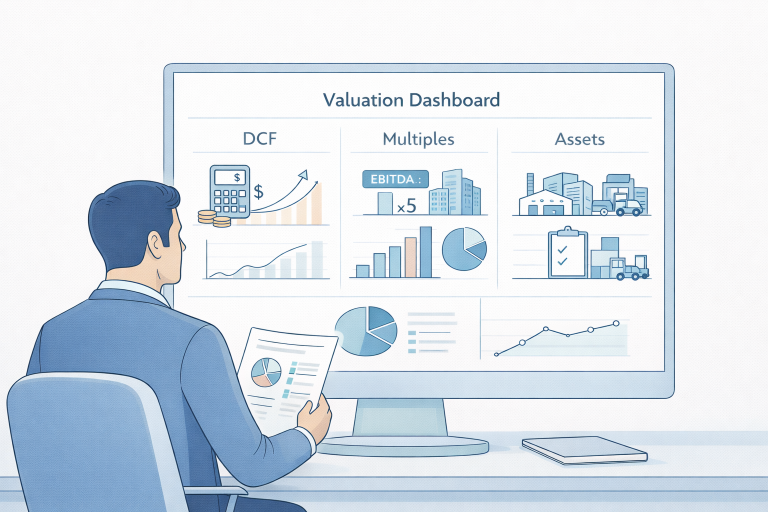
Cross-market parallels, such as share valuation in India, reveal methodological rigor: DCF, comparables, precedent transactions. Buyers blend these, weighting industry peers while adjusting for uniques like management quality or capex needs.
They model scenarios: Base, upside, downside. Robust governance and diversified risks tilt toward optimistic cases, bridging valuation gaps.

Common seller mistakes
Sellers trip over the same hurdles, eroding value unwittingly.
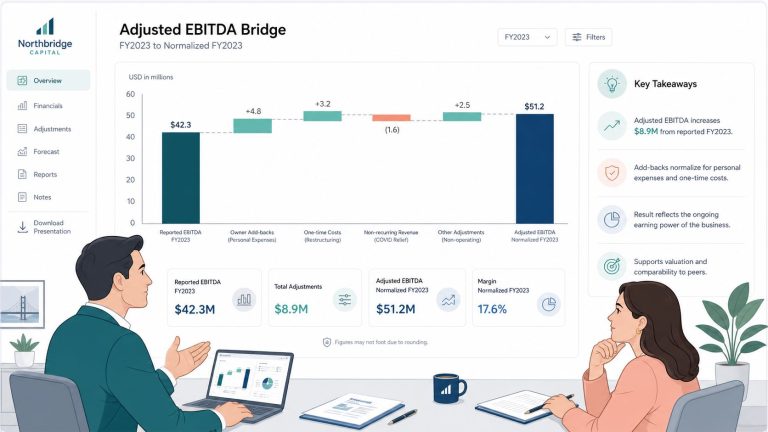
- Overreliance on headline metrics: EBITDA looks solid, but unnormalized figures mislead. Buyers recast aggressively, slashing multiples.
- Neglecting due diligence prep: Incomplete records invite discounts. See our guide on preparing a data room for M&A.
- Ignoring intangibles: Weak ESG or founder dependency signals risk.
- Poor benchmarking: Assuming industry averages apply blinds you to peers’ edges.
- Rush timing: Selling amid operational hiccups tanks pricing.
Avoid these by early audits, aligning with buyer lenses.
Practical checklist for business owners
Here’s a step-by-step framework to close valuation gaps:
- Financial normalization: Recast earnings, eliminate owner perks.
- Growth validation: Document pipeline, customer retention.
- Risk audit: Diversify customers, reduce key-person risks.
- ESG integration: Assess and implement where feasible, especially in Vietnam.
- Operational benchmarking: Compare KPIs to top-quartile peers.
- IP and assets: Catalog protectable value.
- Valuation preview: Run multiples analysis via valuation multiples explained.
- Professional input: Engage advisors early.
Track progress quarterly for compounding gains.
When should sellers start preparing
Don’t wait for the ‘now.’ Begin 12-24 months pre-market. Early movers normalize financials, build moats, and test narratives. Reactive sellers scramble, leaking value.
Triggers: Life events, market peaks, strategic shifts. In Vietnam’s FDI surge, proactive ESG adopters capitalize sooner.
How this connects to the overall business sale journey
Valuation insight threads through every stage: Prep sharpens readiness, due diligence withstands scrutiny, negotiations leverage strengths. It ties to exit planning—read why similar businesses sell for different prices for more.
Positioning here maximizes proceeds, funds your next chapter.
Ready to benchmark your valuation? Download our seller checklist.
Assess your business today. Start your M&A journey.
Need expert eyes? Book a confidential call.